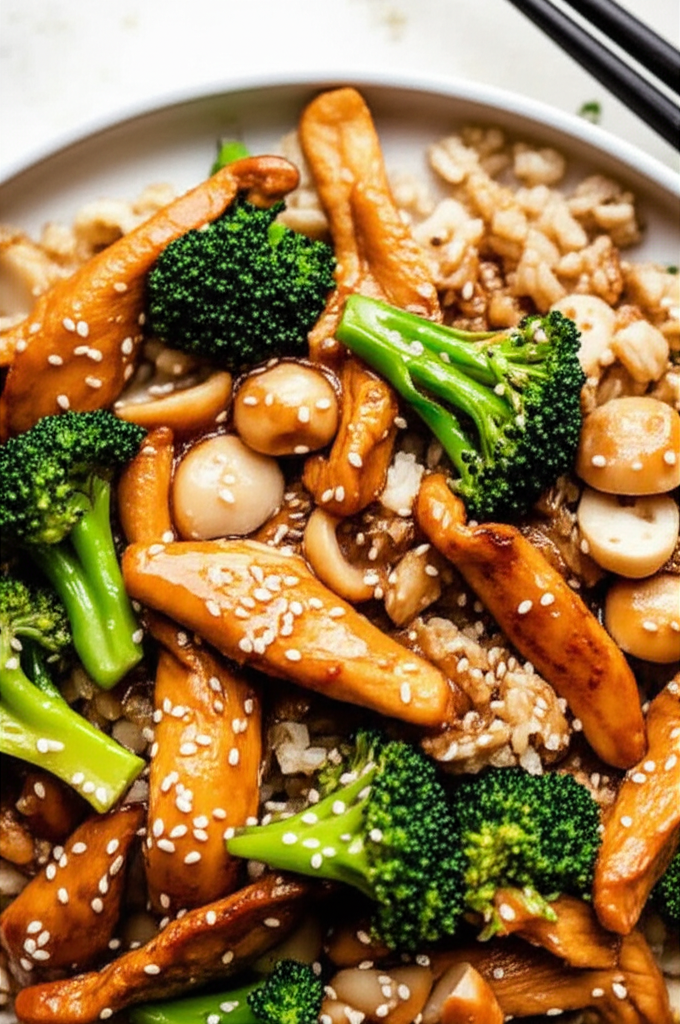
What Is Japanese Soy Sauce?
A traditional Japanese condiment, typically brewed from soybeans, wheat, salt, and water, known for its rich umami, savory, and slightly sweet flavor profile.
What Does Japanese Soy Sauce Taste Like?
Japanese Soy Sauce has a salty, umami, savory, slightly sweet, complex fermented taste with fermented, pungent, salty, earthy aromas.
- Taste
- Salty, Umami, Savory, Slightly Sweet, Complex Fermented
- Texture
- Thin, Liquid, Smooth
- Aroma
- Fermented, Pungent, Salty, Earthy
- Acidity
- Low-Medium
Technical Metrics
Nutrition Facts
Per 15ml (1 tbsp)Chef’s Secret
Adding a splash of mirin or sugar can balance the saltiness and enhance the umami of soy sauce in many dishes.
Japanese Soy Sauce Substitutes & Ratios
The best substitute for Japanese Soy Sauce is Chinese Light Soy Sauce, used at a 1:1 ratio. Very similar in saltiness and umami, slightly less sweet and more pronounced soy flavor.
| Substitute | Ratio | Best for |
|---|---|---|
| Chinese Light Soy Sauce Best | 1:1 | Very similar in saltiness and umami, slightly less sweet and more pronounced soy flavor. |
| Tamari | 1:1 | Gluten-free alternative, often darker and richer, a bit less sweet than Japanese soy sauce. |
| Coconut Aminos | 1:1 (add more for intensity) | Soy-free, gluten-free, much lower sodium, sweeter, and less umami, suitable for specific dietary needs. |
| Fish Sauce (diluted) | 1:0.5 (dilute with water) | Adds strong umami and saltiness, but with a distinct fishy flavor, best for savory Asian dishes. |
How to Choose & Store Japanese Soy Sauce
- Look for naturally brewed" varieties for best flavor.
- Check for wheat content if gluten sensitive."
What Pairs Well With Japanese Soy Sauce?
- Sushi
- sashimi
- stir-fries
- marinades
- dumplings
- grilled meats
- tofu
- rice.
Frequently Asked Questions
What does Japanese Soy Sauce taste like?
Salty, Umami, Savory, Slightly Sweet, Complex Fermented Fermented, Pungent, Salty, Earthy
What is a good substitute for Japanese Soy Sauce?
The best substitute is Chinese Light Soy Sauce (1:1). Very similar in saltiness and umami, slightly less sweet and more pronounced soy flavor.
How do you choose and store Japanese Soy Sauce?
Look for naturally brewed" varieties for best flavor. Check for wheat content if gluten sensitive."