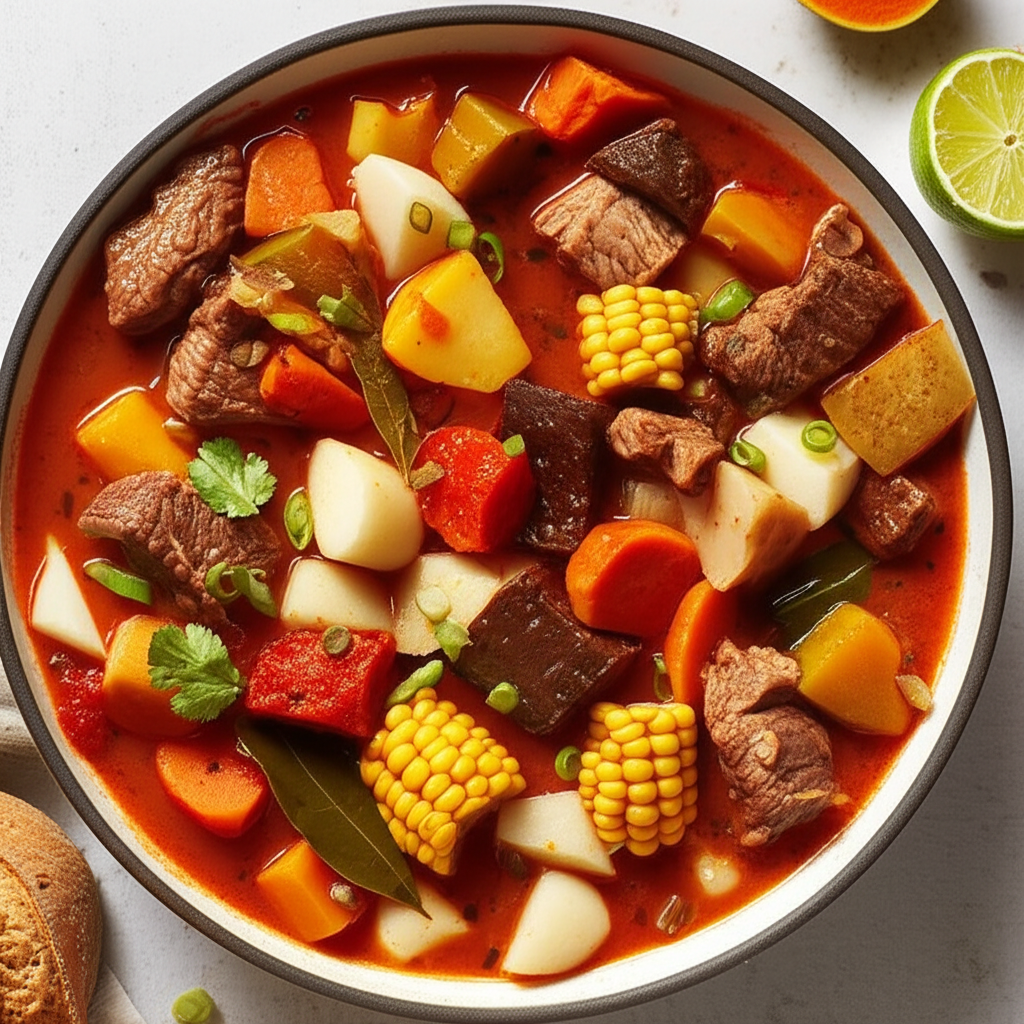
What Is Yellow Taro Root?
A starchy, edible corm from the taro plant, known for its pale yellow flesh and nutty, slightly sweet flavor.
What Does Yellow Taro Root Taste Like?
Yellow Taro Root has a nutty, mildly sweet, earthy taste with mild, earthy aromas.
- Taste
- Nutty, Mildly Sweet, Earthy
- Texture
- Starchy, Floury, Dense (like potato)
- Aroma
- Mild, Earthy
- Acidity
- Low
Technical Metrics
Nutrition Facts
Per 130g (1 medium corm)Chef’s Secret
Always wear gloves when peeling raw taro to avoid skin irritation from its natural calcium oxalate crystals; these are neutralized by thorough cooking.
Yellow Taro Root Substitutes & Ratios
The best substitute for Yellow Taro Root is Purple Taro Root, used at a 1:1 ratio. Identical in texture and flavor profile, only difference is color.
| Substitute | Ratio | Best for |
|---|---|---|
| Purple Taro Root Best | 1:1 | Identical in texture and flavor profile, only difference is color. |
| Potato (e.g., Russet) | 1:1 | Good for texture in savory dishes, but less nutty flavor. |
| Sweet Potato | 1:1 | Offers sweetness and similar texture, but a different flavor profile. |
| Yucca (Cassava) | 1:1 | Very starchy, requires thorough cooking, similar texture when mashed or fried. |
How to Choose & Store Yellow Taro Root
Choose firm, heavy corms with no soft spots; avoid any signs of mold or sprouting.
What Pairs Well With Yellow Taro Root?
- Coconut milk
- pork
- fish
- curry
- stews
- roasted meats.
Frequently Asked Questions
What does Yellow Taro Root taste like?
Nutty, Mildly Sweet, Earthy Mild, Earthy
What is a good substitute for Yellow Taro Root?
The best substitute is Purple Taro Root (1:1). Identical in texture and flavor profile, only difference is color.
How do you choose and store Yellow Taro Root?
Choose firm, heavy corms with no soft spots; avoid any signs of mold or sprouting.