¿Qué es Burgundy Wine?
Burgundy wine, or Bourgogne, refers to wines produced in the Burgundy region of eastern France. It is primarily made from Pinot Noir grapes for red wines and Chardonnay grapes for white wines, celebrated for their unique terroir-driven characteristics.
"Burgundy's reputation for elegant, food-friendly wines makes it a cornerstone for understanding the profound impact of terroir on grape expression."
¿A qué sabe Burgundy Wine?
Burgundy wines generally offer a nuanced balance of fruit, earthy undertones, and vibrant acidity, with reds showcasing red berries and savory notes, and whites presenting citrus and mineral complexity.
- Sabor
- Fruity, Earthy, Savory, Mineral
- Textura
- Smooth, Velvety, Tannic (red)
- Aroma
- Red Berry, Mushroom, Forest Floor, Citrus (white)
- Acidez
- Medium
Métricas Técnicas
Alcohol By Volume (ABV)
12-14.5%
pH Level
3.3-3.7
Información Nutricional
Por 150mlEl Secreto del Chef
When cooking with Burgundy, choose a quality you'd be happy to drink; the flavor concentrates as it reduces, so poor wine will lead to poor results.
Sustitutos y Proporciones de Burgundy Wine
El mejor sustituto para Burgundy Wine es Pinot Noir (New World), usado en una proporción de 1:1. For red Burgundy in cooking, especially stews or sauces, a good quality New World Pinot Noir offers similar fruit and acidity without the higher cost.
| Sustituto | Proporción | Mejor para |
|---|---|---|
| Pinot Noir (New World) Mejor | 1:1 | For red Burgundy in cooking, especially stews or sauces, a good quality New World Pinot Noir offers similar fruit and acidity without the higher cost. |
| Chardonnay (unoaked) | 1:1 | For white Burgundy in recipes, an unoaked Chardonnay can replicate the crisp acidity and subtle fruit notes without the oak influence found in many New World Chardonnays. |
| Beaujolais | 1:1 | For a lighter red wine option in cooking or drinking that shares some regional proximity and fruitiness, Beaujolais (made from Gamay) can be a suitable, often more affordable, alternative. |
| Dry Vermouth | 1:1 | As a last resort for cooking, dry vermouth can provide acidity and herbaceous notes in sauces, though it lacks the fruit depth of true Burgundy wine. |
Cómo Elegir y Almacenar Burgundy Wine
- Store bottles horizontally to keep the cork moist and prevent oxidation.
- Keep in a cool, dark place with consistent temperature and humidity.
- Avoid vibrations and strong odors, which can prematurely age the wine.
- For longer aging, a wine cellar or specialized fridge is ideal.
¿Con Qué Combina Bien Burgundy Wine?
- Coq au Vin
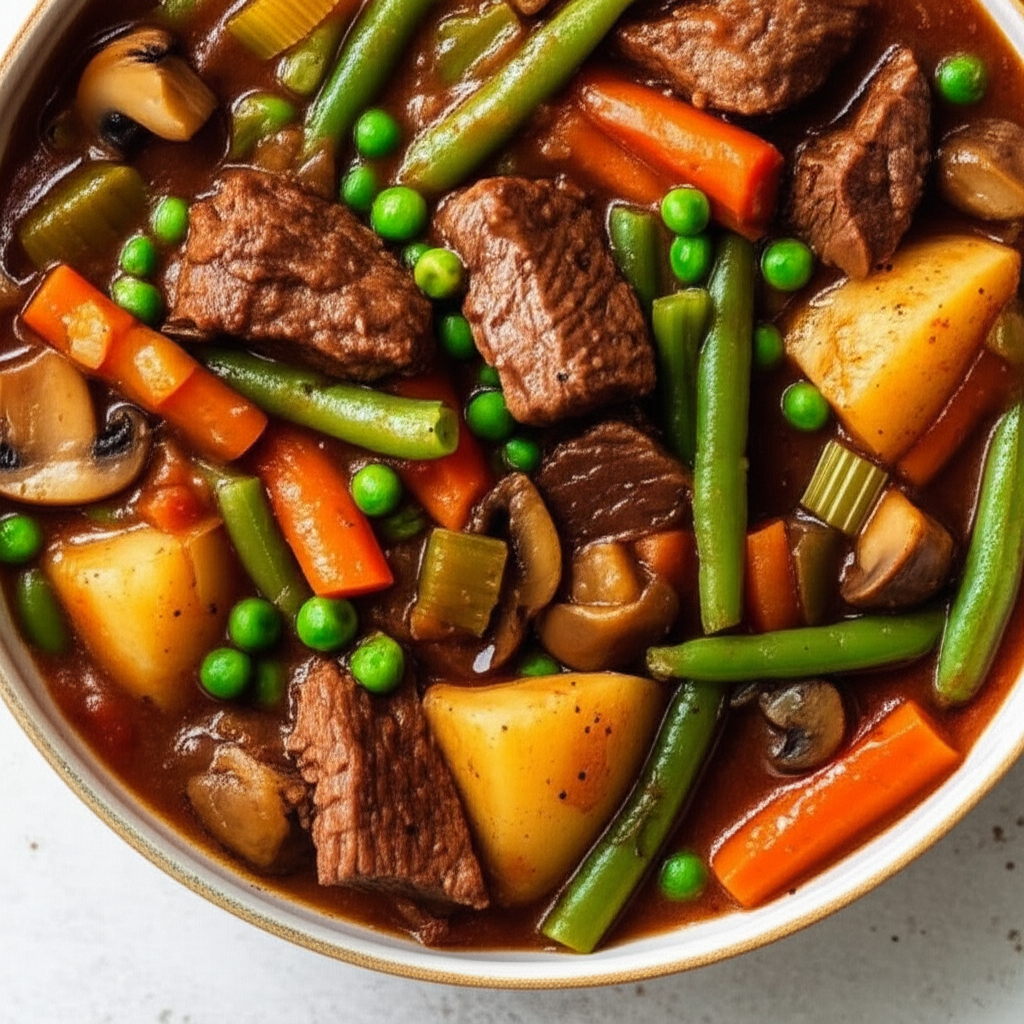
- Beef Bourguignon
- Roasted Chicken
- Mushroom Risotto
- Truffles
- Gruyère cheese
- Escargots
- Seared Duck Breast
- Grilled Salmon
- Creamy Pasta
Preguntas frecuentes
¿A qué sabe Burgundy Wine?
Burgundy wines generally offer a nuanced balance of fruit, earthy undertones, and vibrant acidity, with reds showcasing red berries and savory notes, and whites presenting citrus and mineral complexity. Red Berry|Mushroom|Forest Floor|Citrus (white)
¿Cuál es un buen sustituto para Burgundy Wine?
El mejor sustituto es Pinot Noir (New World) (1:1). For red Burgundy in cooking, especially stews or sauces, a good quality New World Pinot Noir offers similar fruit and acidity without the higher cost.
¿Cómo eliges y almacenas Burgundy Wine?
Store bottles horizontally to keep the cork moist and prevent oxidation. Keep in a cool, dark place with consistent temperature and humidity. Avoid vibrations and strong odors, which can prematurely age the wine. For longer aging, a wine cellar or specialized fridge is ideal.