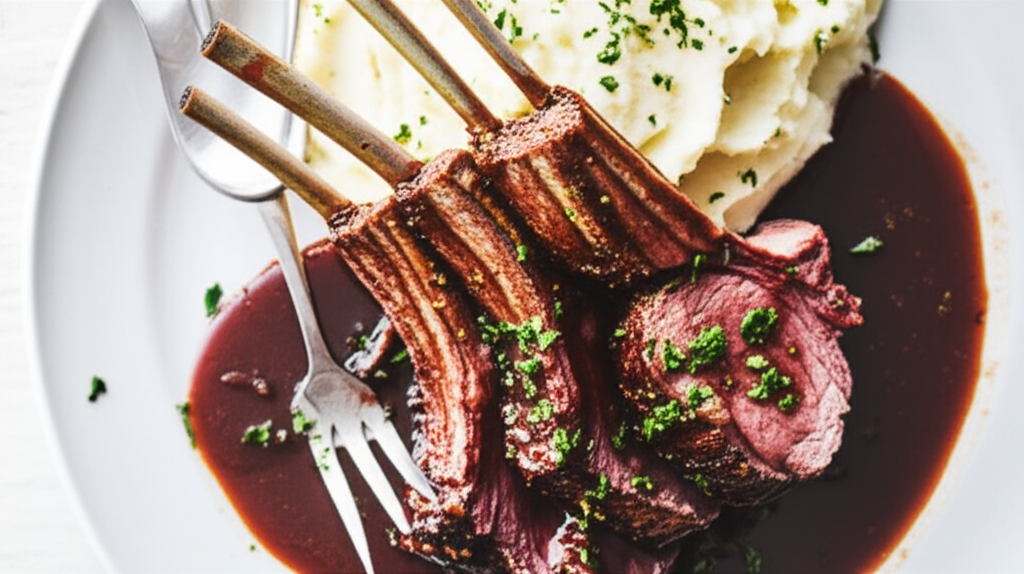
¿Qué es Cabernet Sauvignon Wine?
A popular full-bodied red wine grape, known for its dark fruit flavors, prominent tannins, and savory notes often aged in oak.
"Cabernet Sauvignon's high tannin content and complex fruit profile make it exceptionally well-suited for breaking down meat fibers and adding depth to sauces."
¿A qué sabe Cabernet Sauvignon Wine?
Full-bodied, blackcurrant, cedar, plum, tannic
- Taste
- Dry, Tart, Tannic, Fruity (blackcurrant, cherry), Earthy
- Texture
- Medium-bodied, Velvety, Astringent
- Aroma
- Blackcurrant, Cedar, Bell pepper, Tobacco, Leather, Vanilla
- Acidity
- Medium-High
Technical Metrics
Science: Tannin Levels
High
Storage: Cellaring Potential
5-20 years+
Usage: Red Meat Pairing
75%
Información Nutricional
Per 147g (5 fl oz)El Secreto del Chef
To enhance pan sauces, deglaze with Cabernet Sauvignon after searing meats, then reduce by half to concentrate flavors and cook off alcohol.
Sustitutos y Proporciones de Cabernet Sauvignon Wine
El mejor sustituto para Cabernet Sauvignon Wine es Merlot Wine, usado en una proporción de 1:1. Similar red fruit profile, less tannic, good for drinking and cooking.
| Sustituto | Proporción | Mejor para |
|---|---|---|
| Merlot Wine Mejor | 1:1 | Similar red fruit profile, less tannic, good for drinking and cooking. |
| Pinot Noir Wine | 1:1 | Lighter body, more delicate fruit, good for lighter dishes. |
| Beef Broth | 1:1 | Non-alcoholic option for savory dishes, adds depth. |
| Pomegranate Juice | 1:1 | Non-alcoholic fruity and tart alternative for marinades or sauces. |
Cómo Elegir y Almacenar Cabernet Sauvignon Wine
- Look for regional specificities (Bordeaux, Napa Valley).
- Consider vintage and producer reputation for quality.
- Dry, full-bodied reds are typically best.
¿Con Qué Combina Bien Cabernet Sauvignon Wine?
- Red Meats (Steak
- Lamb)
- Hard Cheeses (Cheddar)
- Dark Chocolate
- Hearty Stews.
Preguntas frecuentes
¿A qué sabe Cabernet Sauvignon Wine?
Full-bodied, blackcurrant, cedar, plum, tannic Blackcurrant, Cedar, Bell pepper, Tobacco, Leather, Vanilla
¿Cuál es un buen sustituto para Cabernet Sauvignon Wine?
El mejor sustituto es Merlot Wine (1:1). Similar red fruit profile, less tannic, good for drinking and cooking.
¿Cómo eliges y almacenas Cabernet Sauvignon Wine?
Look for regional specificities (Bordeaux, Napa Valley). Consider vintage and producer reputation for quality. Dry, full-bodied reds are typically best.