¿Qué es Red Food Coloring?
A synthetic or natural additive used to impart a red hue to foods and beverages without significantly altering flavor or texture.
"The pigment of persuasion: mastering visual appeal."
¿A qué sabe Red Food Coloring?
Neutral
- Taste
- None
- Texture
- Liquid, Gel, Powder
- Aroma
- None
- Acidity
- Neutral
Technical Metrics
Common Application
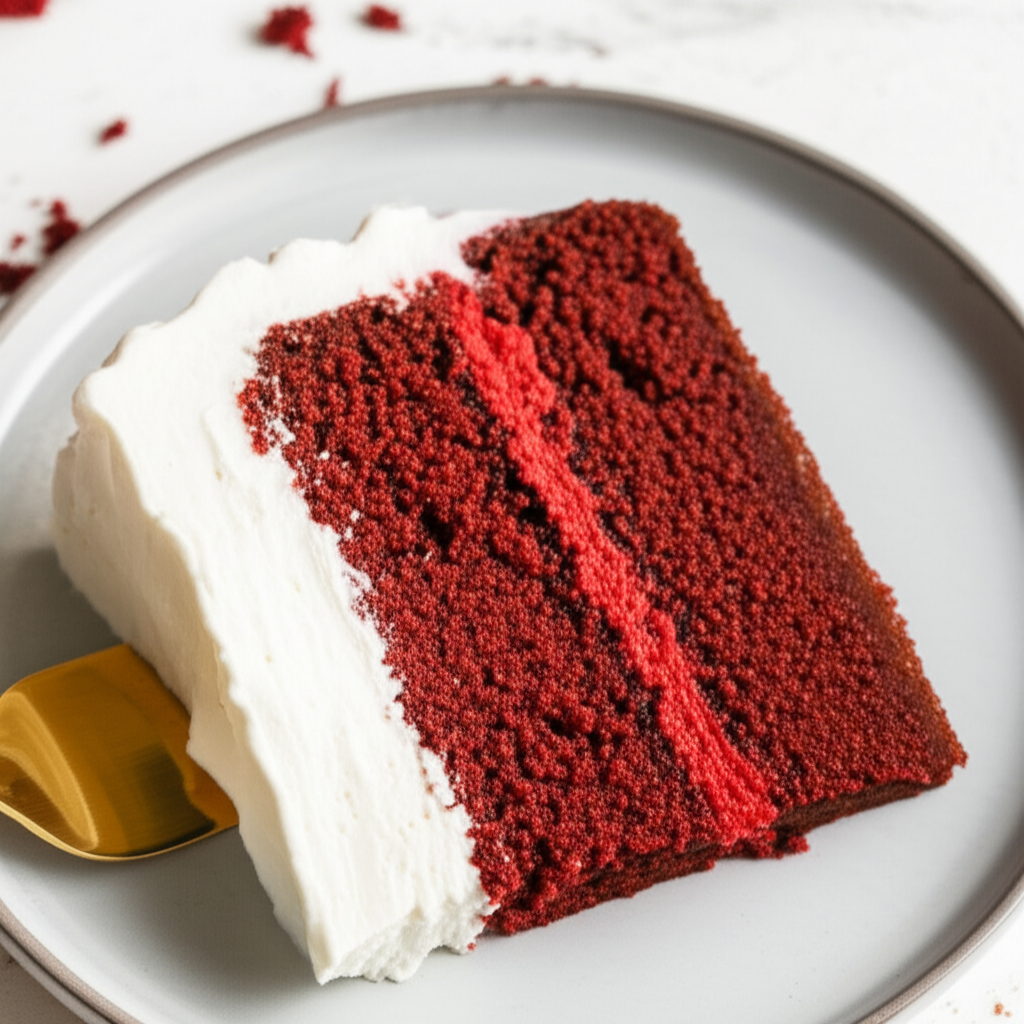
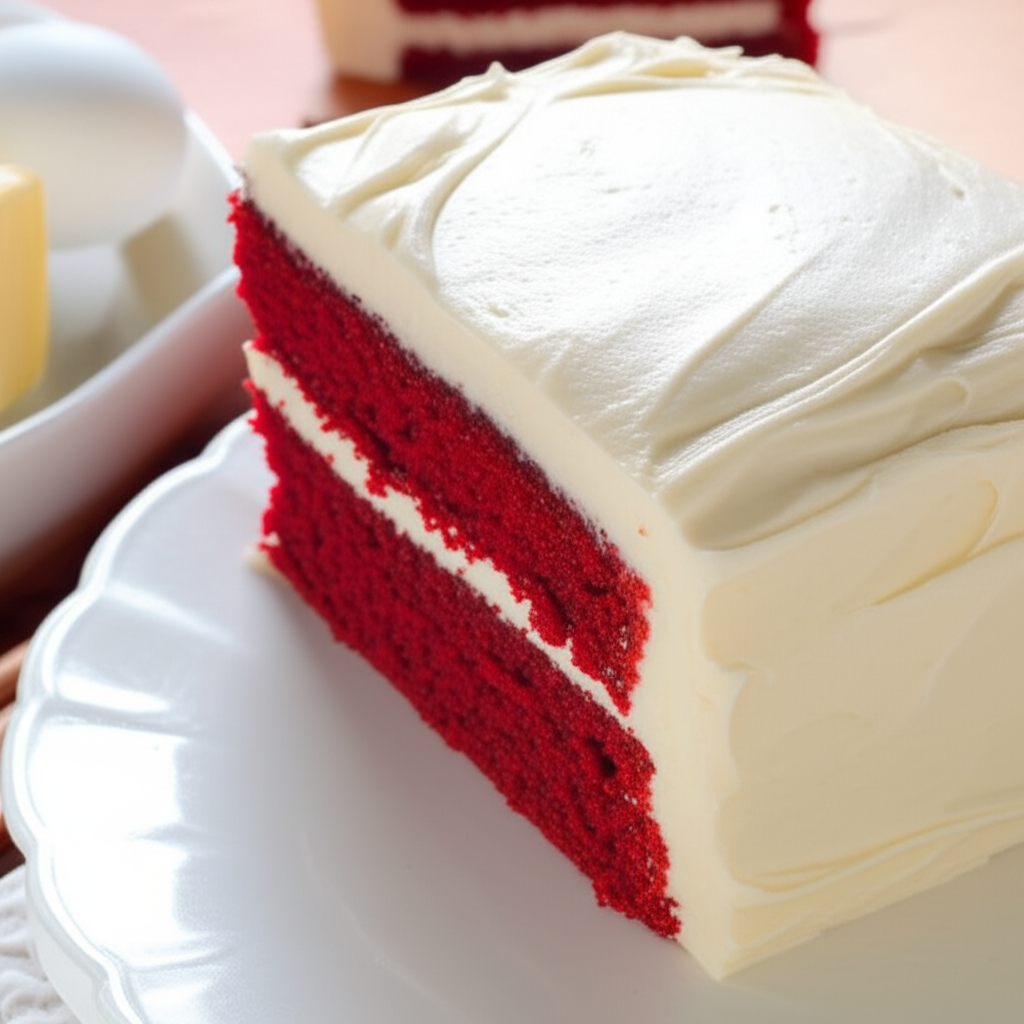
Widely used in frostings, candies, red velvet cake, and beverages.
Stability Fact
Most red food colorings are heat-stable but can fade with prolonged light exposure.
Usage Tip
Use gel colors for intense hues without adding excess liquid.
Información Nutricional
Per 1 drop (0.05g)El Secreto del Chef
For deep, vibrant reds, add food coloring gradually, drop by drop, as small amounts can produce significant color.
Sustitutos y Proporciones de Red Food Coloring
El mejor sustituto para Red Food Coloring es Beetroot Powder, usado en una proporción de 1:1-2:1. Natural red color, can impart a subtle earthy flavor.
| Sustituto | Proporción | Mejor para |
|---|---|---|
| Beetroot Powder Mejor | 1:1-2:1 | Natural red color, can impart a subtle earthy flavor. |
| Paprika (Sweet) | Varies | Adds a reddish-orange hue with a mild, smoky flavor. |
| Hibiscus Powder | 1:1 | Provides a pink-red color and a tart, floral note. |
| Pomegranate Juice Concentrate | Varies | Adds a deep red color and a fruity, tart flavor. |
Cómo Elegir y Almacenar Red Food Coloring
Always check ingredient labels, especially for natural sources like carmine (cochineal) for dietary restrictions.
¿Con Qué Combina Bien Red Food Coloring?
- Desserts
- beverages
- frostings
- candies
- sauces.
Preguntas frecuentes
¿A qué sabe Red Food Coloring?
Neutral None
¿Cuál es un buen sustituto para Red Food Coloring?
El mejor sustituto es Beetroot Powder (1:1-2:1). Natural red color, can impart a subtle earthy flavor.
¿Cómo eliges y almacenas Red Food Coloring?
Always check ingredient labels, especially for natural sources like carmine (cochineal) for dietary restrictions.