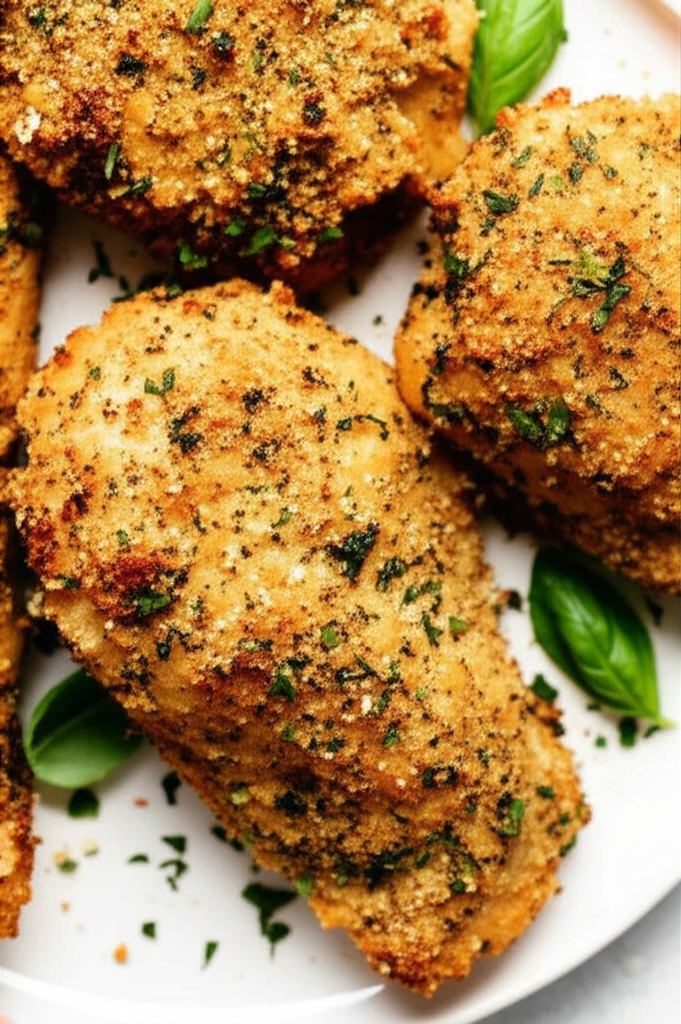
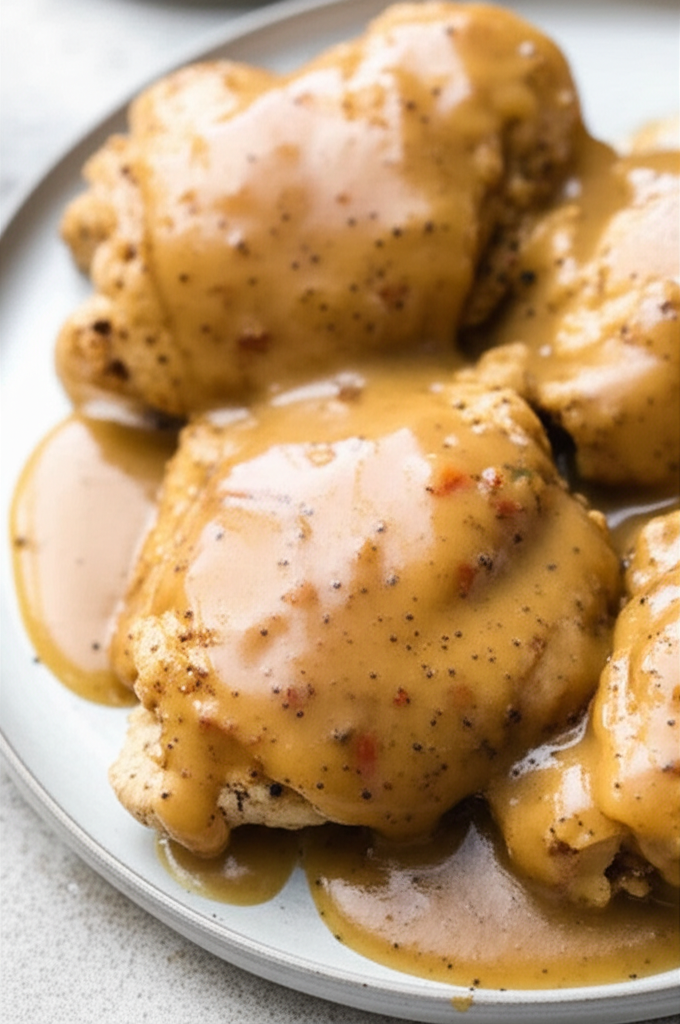
What Is Fryer?
A fryer is a kitchen appliance designed for cooking food by submerging it in hot oil (deep frying) or circulating hot air (air frying). These devices enable rapid cooking and achieve characteristic crispy textures for a variety of dishes. Fryers are widely used in both commercial food establishments and home kitchens.
"Understanding the specific heat transfer method of each fryer type is crucial for optimizing food texture and flavor profiles, from crispy fried chicken to perfectly golden fries."
What Does Fryer Taste Like?
While the fryer itself imparts no flavor, it facilitates the cooking process that develops rich, often savory and deeply browned flavors in foods, frequently enhanced by the cooking oil and coatings.
- Taste
- Crispy (indirect, for food cooked in it), Rich (indirect, for food cooked in it), Savory (indirect, for food cooked in it)
- Texture
- Crispy (indirect, for food cooked in it), Crunchy (indirect, for food cooked in it)
- Aroma
- Cooked oil (indirect, during use), Fried food (indirect, during use)
- Acidity
- None
Technical Metrics
Typical Air Fryer Temperature Range
150-205 °C (300-400 °F)
Typical Deep Fryer Oil Temperature Range
175-190 °C (350-375 °F)
Chef’s Secret
Maintain consistent oil temperature for deep frying to prevent soggy food or excessive oil absorption; use a thermometer and fry in small batches.
Fryer Substitutes & Ratios
The best substitute for Fryer is Large Pot with Oil (for deep frying), used at a N/A ratio. When a dedicated deep fryer is unavailable, a heavy-bottomed pot and a thermometer can replicate the process.
| Substitute | Ratio | Best for |
|---|---|---|
| Large Pot with Oil (for deep frying) Best | N/A | When a dedicated deep fryer is unavailable, a heavy-bottomed pot and a thermometer can replicate the process. |
| Oven (for 'baked' versions) | N/A | For healthier, non-fried alternatives to typically fried foods, an oven can achieve some crispness with less oil. |
| Pan Frying / Shallow Frying | N/A | When a small amount of oil is sufficient to cook and crisp food, pan frying offers a quick and easy method without specialized equipment. |
How to Choose & Store Fryer
- Always clean the fryer thoroughly after each use, especially if using oil.
- For deep fryers, drain and filter oil properly for reuse or disposal.
- Store fryers in a cool, dry place away from direct sunlight.
- Ensure all removable parts are dry before reassembly and storage.
- Keep cords neatly wrapped and secure.
What Pairs Well With Fryer?
- Potatoes
- Chicken
- Fish
- Onion Rings
- Doughnuts
- Shrimp
- Vegetables
- French Fries
- Churros
- Tofu
Frequently Asked Questions
What does Fryer taste like?
While the fryer itself imparts no flavor, it facilitates the cooking process that develops rich, often savory and deeply browned flavors in foods, frequently enhanced by the cooking oil and coatings. Cooked oil (indirect, during use)|Fried food (indirect, during use)
What is a good substitute for Fryer?
The best substitute is Large Pot with Oil (for deep frying) (N/A). When a dedicated deep fryer is unavailable, a heavy-bottomed pot and a thermometer can replicate the process.
How do you choose and store Fryer?
Always clean the fryer thoroughly after each use, especially if using oil. For deep fryers, drain and filter oil properly for reuse or disposal. Store fryers in a cool, dry place away from direct sunlight. Ensure all removable parts are dry before reassembly and storage. Keep cords neatly wrapped and secure.