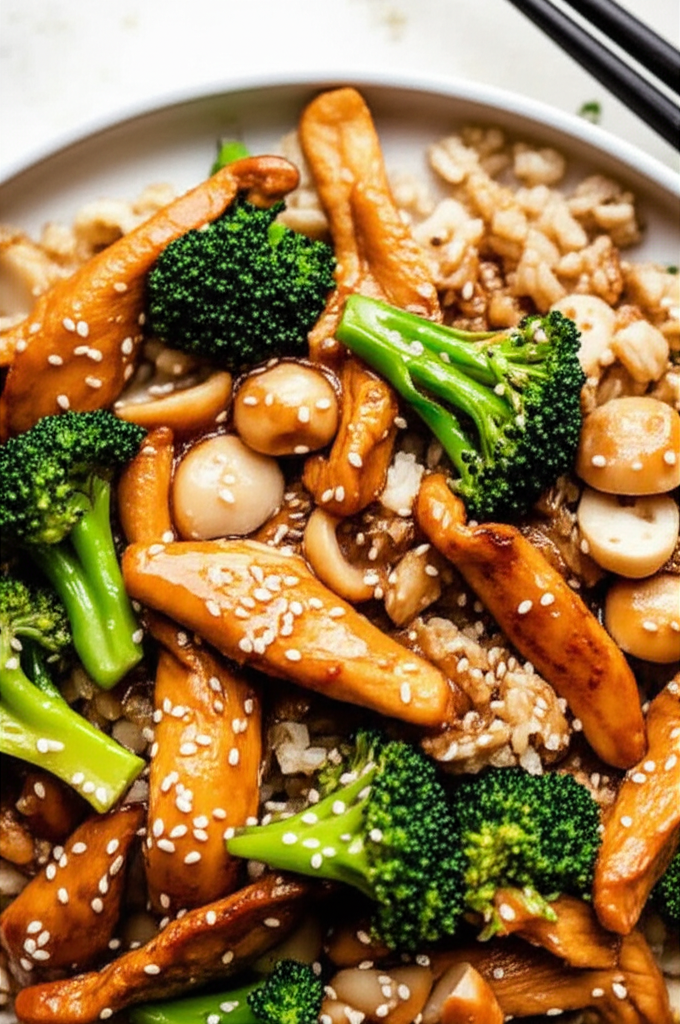
O Que É Japanese Soy Sauce?
A traditional Japanese condiment, typically brewed from soybeans, wheat, salt, and water, known for its rich umami, savory, and slightly sweet flavor profile.
Qual o Sabor de Japanese Soy Sauce?
Japanese Soy Sauce tem um sabor salty, umami, savory, slightly sweet, complex fermented com aromas de fermented, pungent, salty, earthy.
- Taste
- Salty, Umami, Savory, Slightly Sweet, Complex Fermented
- Texture
- Thin, Liquid, Smooth
- Aroma
- Fermented, Pungent, Salty, Earthy
- Acidity
- Low-Medium
Technical Metrics
Informação Nutricional
Per 15ml (1 tbsp)Segredo do Chef
Adding a splash of mirin or sugar can balance the saltiness and enhance the umami of soy sauce in many dishes.
Substitutos e Proporções de Japanese Soy Sauce
O melhor substituto para Japanese Soy Sauce é Chinese Light Soy Sauce, usado na proporção de 1:1. Very similar in saltiness and umami, slightly less sweet and more pronounced soy flavor.
| Substituto | Proporção | Melhor para |
|---|---|---|
| Chinese Light Soy Sauce Melhor | 1:1 | Very similar in saltiness and umami, slightly less sweet and more pronounced soy flavor. |
| Tamari | 1:1 | Gluten-free alternative, often darker and richer, a bit less sweet than Japanese soy sauce. |
| Coconut Aminos | 1:1 (add more for intensity) | Soy-free, gluten-free, much lower sodium, sweeter, and less umami, suitable for specific dietary needs. |
| Fish Sauce (diluted) | 1:0.5 (dilute with water) | Adds strong umami and saltiness, but with a distinct fishy flavor, best for savory Asian dishes. |
Como Escolher e Armazenar Japanese Soy Sauce
- Look for naturally brewed" varieties for best flavor.
- Check for wheat content if gluten sensitive."
O Que Combina Bem Com Japanese Soy Sauce?
- Sushi
- sashimi
- stir-fries
- marinades
- dumplings
- grilled meats
- tofu
- rice.
Perguntas frequentes
Qual o sabor de Japanese Soy Sauce?
Salty, Umami, Savory, Slightly Sweet, Complex Fermented Fermented, Pungent, Salty, Earthy
Qual é um bom substituto para Japanese Soy Sauce?
O melhor substituto é Chinese Light Soy Sauce (1:1). Very similar in saltiness and umami, slightly less sweet and more pronounced soy flavor.
Como escolher e armazenar Japanese Soy Sauce?
Look for naturally brewed" varieties for best flavor. Check for wheat content if gluten sensitive."