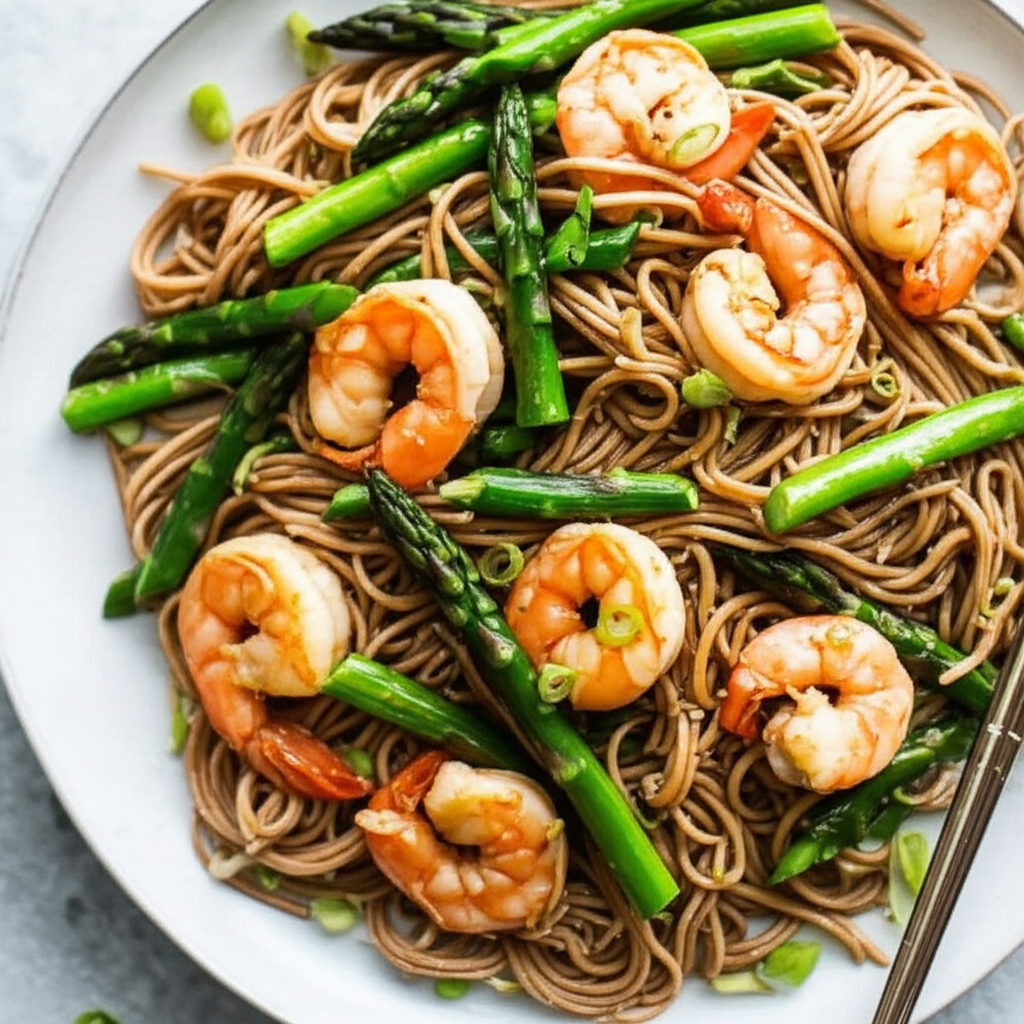
¿Qué es Soba Noodles?
Soba noodles are thin Japanese noodles made primarily from buckwheat flour, often with a proportion of wheat flour. They are characterized by their distinctive nutty flavor and firm, slightly chewy texture. Soba is a versatile ingredient, served both chilled with dipping sauces and hot in broths and stir-fries.
"While often containing wheat, pure 100% buckwheat soba offers a fantastic gluten-free alternative with a more intense, earthy flavor."
¿A qué sabe Soba Noodles?
Soba noodles possess a deep, earthy, and nutty flavor profile, making them more assertive than typical wheat-based pastas.
- Sabor
- Earthy, Nutty, Slightly sweet
- Textura
- Firm, Chewy, Slightly yielding
- Aroma
- Earthy, Toasty
- Acidez
- None
Métricas Técnicas
Información Nutricional
Por 85g dryEl Secreto del Chef
For perfectly al dente soba, always rinse thoroughly with cold water immediately after cooking to stop the cooking process and remove excess starch, preventing stickiness.
Sustitutos y Proporciones de Soba Noodles
El mejor sustituto para Soba Noodles es Udon Noodles, usado en una proporción de 1:1. When a thicker, chewy noodle is desired for hot broths or stir-fries, though the flavor will be milder.
| Sustituto | Proporción | Mejor para |
|---|---|---|
| Udon Noodles Mejor | 1:1 | When a thicker, chewy noodle is desired for hot broths or stir-fries, though the flavor will be milder. |
| Whole Wheat Spaghetti | 1:1 | For a similar texture and a slightly nutty flavor in cold salads or hot dishes when soba is unavailable. |
| Ramen Noodles | 1:1 | In hot soup dishes where a curly, slightly chewy noodle is acceptable, but expect a different flavor. |
| 100% Buckwheat Pasta | 1:1 | For a gluten-free option with a very similar earthy, nutty flavor, especially in cold preparations. |
Cómo Elegir y Almacenar Soba Noodles
- Store unopened packages in a cool, dry pantry away from direct sunlight.
- Once opened, seal tightly to prevent moisture absorption.
- Cooked soba should be refrigerated in an airtight container.
- Consume cooked soba within 2-3 days for best quality.
- Do not freeze cooked soba as it can alter the texture.
¿Con Qué Combina Bien Soba Noodles?
- Soy sauce
- Dashi
- Mirin
- Scallions
- Sesame oil
- Tempura
- Wasabi
- Mushrooms
- Spinach
- Chicken
- Tofu
Preguntas frecuentes
¿A qué sabe Soba Noodles?
Soba noodles possess a deep, earthy, and nutty flavor profile, making them more assertive than typical wheat-based pastas. Earthy|Toasty
¿Cuál es un buen sustituto para Soba Noodles?
El mejor sustituto es Udon Noodles (1:1). When a thicker, chewy noodle is desired for hot broths or stir-fries, though the flavor will be milder.
¿Cómo eliges y almacenas Soba Noodles?
Store unopened packages in a cool, dry pantry away from direct sunlight. Once opened, seal tightly to prevent moisture absorption. Cooked soba should be refrigerated in an airtight container. Consume cooked soba within 2-3 days for best quality. Do not freeze cooked soba as it can alter the texture.