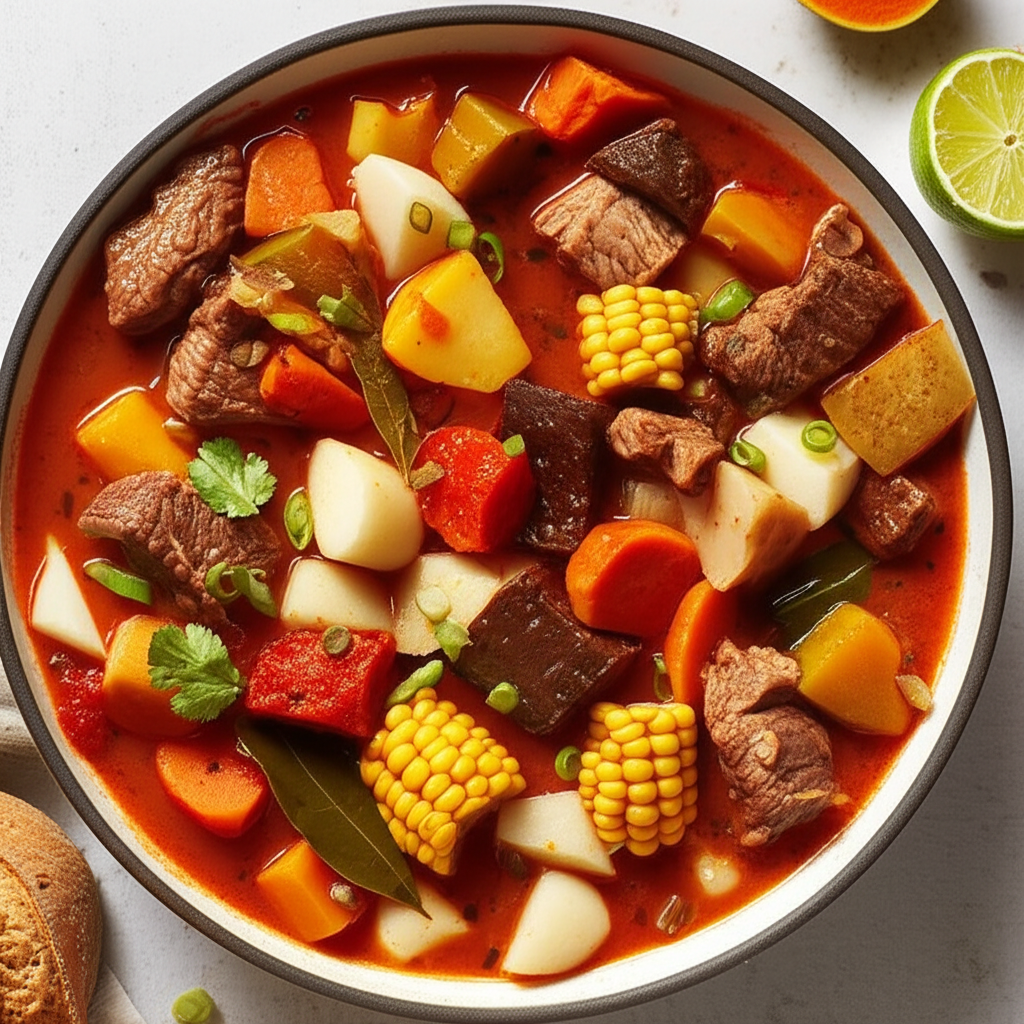
¿Qué es Yellow Taro Root?
A starchy, edible corm from the taro plant, known for its pale yellow flesh and nutty, slightly sweet flavor.
¿A qué sabe Yellow Taro Root?
Yellow Taro Root tiene un sabor nutty, mildly sweet, earthy con aromas mild, earthy.
- Sabor
- Nutty, Mildly Sweet, Earthy
- Textura
- Starchy, Floury, Dense (like potato)
- Aroma
- Mild, Earthy
- Acidez
- Low
Métricas Técnicas
Información Nutricional
Por 130g (1 medium corm)El Secreto del Chef
Always wear gloves when peeling raw taro to avoid skin irritation from its natural calcium oxalate crystals; these are neutralized by thorough cooking.
Sustitutos y Proporciones de Yellow Taro Root
El mejor sustituto para Yellow Taro Root es Purple Taro Root, usado en una proporción de 1:1. Identical in texture and flavor profile, only difference is color.
| Sustituto | Proporción | Mejor para |
|---|---|---|
| Purple Taro Root Mejor | 1:1 | Identical in texture and flavor profile, only difference is color. |
| Potato (e.g., Russet) | 1:1 | Good for texture in savory dishes, but less nutty flavor. |
| Sweet Potato | 1:1 | Offers sweetness and similar texture, but a different flavor profile. |
| Yucca (Cassava) | 1:1 | Very starchy, requires thorough cooking, similar texture when mashed or fried. |
Cómo Elegir y Almacenar Yellow Taro Root
Choose firm, heavy corms with no soft spots; avoid any signs of mold or sprouting.
¿Con Qué Combina Bien Yellow Taro Root?
- Coconut milk
- pork
- fish
- curry
- stews
- roasted meats.
Preguntas frecuentes
¿A qué sabe Yellow Taro Root?
Nutty, Mildly Sweet, Earthy Mild, Earthy
¿Cuál es un buen sustituto para Yellow Taro Root?
El mejor sustituto es Purple Taro Root (1:1). Identical in texture and flavor profile, only difference is color.
¿Cómo eliges y almacenas Yellow Taro Root?
Choose firm, heavy corms with no soft spots; avoid any signs of mold or sprouting.