¿Qué es Sake?
A traditional Japanese alcoholic beverage made by fermenting rice, known for its subtle sweetness, umami, and often fruity or nutty notes.
"Beyond the bottle: Discover sake's sophisticated role in both Japanese cuisine and refined drinking culture."
¿A qué sabe Sake?
Umami, sweet, dry, fruity, earthy, alcoholic
- Taste
- Umami, Sweet (subtle), Dry, Fruity, Earthy
- Texture
- Smooth, Light, Velvety
- Aroma
- Rice, Fruit (apple, pear), Floral, Mushroom, Mineral
- Acidity
- Low
Technical Metrics
Alcohol Content
Typically 15-20% ABV, similar to wine
Culinary Usage
Used as a marinade, tenderizer, and flavor enhancer
Primary Ingredient
Specialized 'sake rice' (sakamai) and pure water
Información Nutricional
Per 180ml (6 fl oz)El Secreto del Chef
When cooking with sake, use good quality drinking sake rather than 'cooking sake' (which contains added salt) to achieve purer flavors and avoid over-salting your dish.
Sustitutos y Proporciones de Sake
El mejor sustituto para Sake es Mirin (Japanese Sweet Rice Wine), usado en una proporción de 1:1. Closest flavor profile, especially for cooking; contains more sugar, so adjust other sweeteners.
| Sustituto | Proporción | Mejor para |
|---|---|---|
| Mirin (Japanese Sweet Rice Wine) Mejor | 1:1 | Closest flavor profile, especially for cooking; contains more sugar, so adjust other sweeteners. |
| Dry Sherry | 1:1 | Offers a similar dry, savory depth to dishes where sake's sweetness isn't primary. |
| Chinese Shaoxing Wine | 1:1 | Comparable umami and depth, but has a stronger, more distinct flavor; use sparingly. |
| White Wine Vinegar + Sugar | 1:1 with 1/2 tsp sugar per cup | For acidity and some sweetness in marinades, but lacks the umami complexity of sake. |
Cómo Elegir y Almacenar Sake
- For cooking, 'cooking sake' (ryorishu) is fine.
- For drinking, look for Junmai, Ginjo, or Daiginjo grades.
- Store in a cool, dark place.
¿Con Qué Combina Bien Sake?
- Sushi
- Sashimi
- Tempura
- Grilled fish
- Yakitori
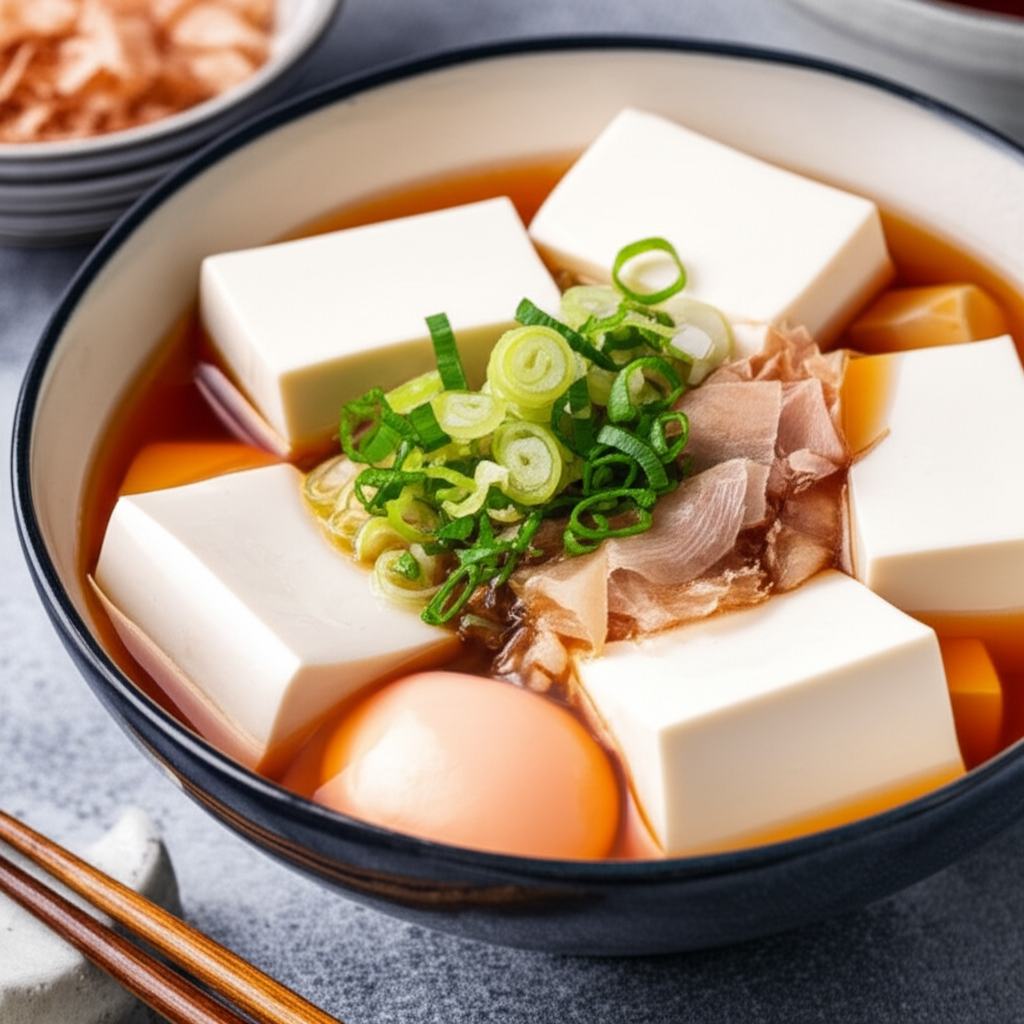
- Japanese hot pots.
Preguntas frecuentes
¿A qué sabe Sake?
Umami, sweet, dry, fruity, earthy, alcoholic Rice, Fruit (apple, pear), Floral, Mushroom, Mineral
¿Cuál es un buen sustituto para Sake?
El mejor sustituto es Mirin (Japanese Sweet Rice Wine) (1:1). Closest flavor profile, especially for cooking; contains more sugar, so adjust other sweeteners.
¿Cómo eliges y almacenas Sake?
For cooking, 'cooking sake' (ryorishu) is fine. For drinking, look for Junmai, Ginjo, or Daiginjo grades. Store in a cool, dark place.