Qu'est-ce que le/la/l'Sake ?
A traditional Japanese alcoholic beverage made by fermenting rice, known for its subtle sweetness, umami, and often fruity or nutty notes.
"Beyond the bottle: Discover sake's sophisticated role in both Japanese cuisine and refined drinking culture."
Quel goût a le/la/l'Sake ?
Umami, sweet, dry, fruity, earthy, alcoholic
- Taste
- Umami, Sweet (subtle), Dry, Fruity, Earthy
- Texture
- Smooth, Light, Velvety
- Aroma
- Rice, Fruit (apple, pear), Floral, Mushroom, Mineral
- Acidity
- Low
Technical Metrics
Alcohol Content
Typically 15-20% ABV, similar to wine
Culinary Usage
Used as a marinade, tenderizer, and flavor enhancer
Primary Ingredient
Specialized 'sake rice' (sakamai) and pure water
Valeurs nutritionnelles
Per 180ml (6 fl oz)Le secret du chef
When cooking with sake, use good quality drinking sake rather than 'cooking sake' (which contains added salt) to achieve purer flavors and avoid over-salting your dish.
Substituts & Proportions pour Sake
Le meilleur substitut pour le/la/l'Sake est Mirin (Japanese Sweet Rice Wine), à utiliser dans un rapport de 1:1. Closest flavor profile, especially for cooking; contains more sugar, so adjust other sweeteners.
| Substitut | Proportion | Idéal pour |
|---|---|---|
| Mirin (Japanese Sweet Rice Wine) Meilleur | 1:1 | Closest flavor profile, especially for cooking; contains more sugar, so adjust other sweeteners. |
| Dry Sherry | 1:1 | Offers a similar dry, savory depth to dishes where sake's sweetness isn't primary. |
| Chinese Shaoxing Wine | 1:1 | Comparable umami and depth, but has a stronger, more distinct flavor; use sparingly. |
| White Wine Vinegar + Sugar | 1:1 with 1/2 tsp sugar per cup | For acidity and some sweetness in marinades, but lacks the umami complexity of sake. |
Comment choisir et conserver le/la/l'Sake
- For cooking, 'cooking sake' (ryorishu) is fine.
- For drinking, look for Junmai, Ginjo, or Daiginjo grades.
- Store in a cool, dark place.
Quels accords culinaires avec le/la/l'Sake ?
- Sushi
- Sashimi
- Tempura
- Grilled fish
- Yakitori
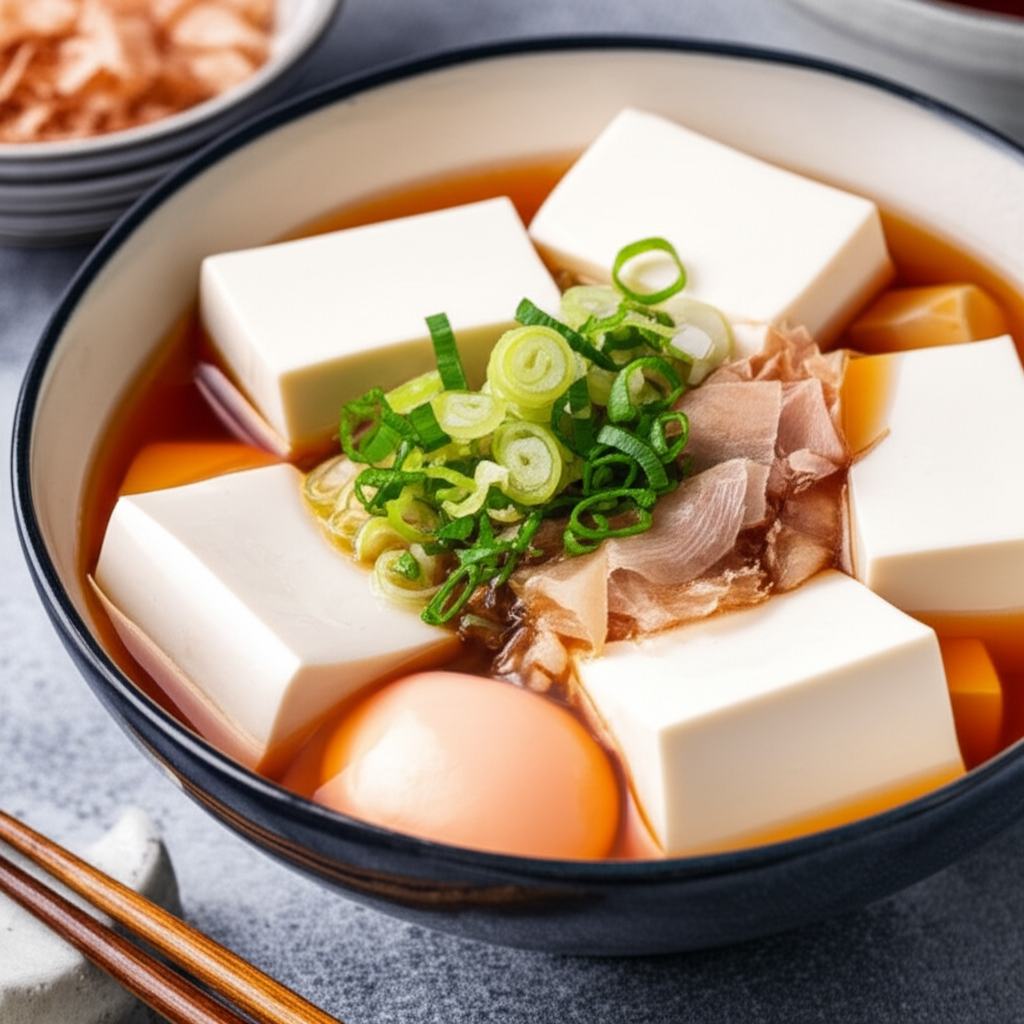
- Japanese hot pots.
Questions fréquentes
Quel goût a le Sake ?
Umami, sweet, dry, fruity, earthy, alcoholic Rice, Fruit (apple, pear), Floral, Mushroom, Mineral
Quel est un bon substitut pour Sake ?
Le meilleur substitut est Mirin (Japanese Sweet Rice Wine) (1:1). Closest flavor profile, especially for cooking; contains more sugar, so adjust other sweeteners.
Comment choisir et conserver le Sake ?
For cooking, 'cooking sake' (ryorishu) is fine. For drinking, look for Junmai, Ginjo, or Daiginjo grades. Store in a cool, dark place.