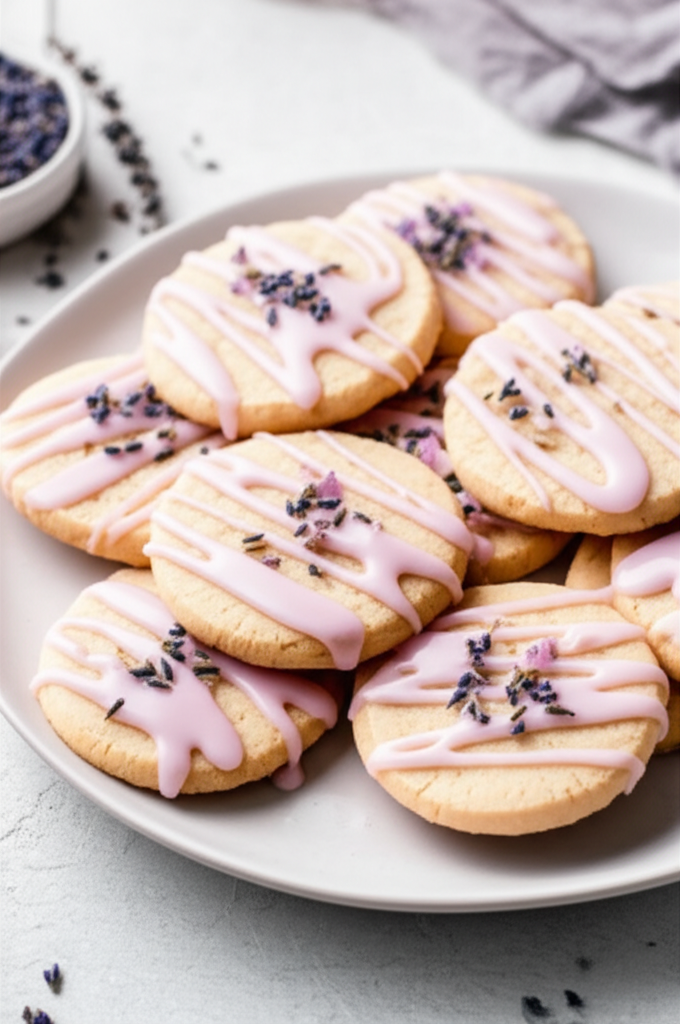
What Is Lavender?
Lavender refers to the flowering tops of plants in the genus Lavandula, primarily Lavandula angustifolia (English lavender), used in culinary applications. Its distinct aroma and flavor come from essential oils concentrated in the flowers and leaves. When used judiciously, it imparts a sophisticated floral note to both sweet and savory dishes.
"The key to successful culinary lavender use is moderation; a little goes a long way to add a sophisticated floral note without tasting soapy or overpowering."
What Does Lavender Taste Like?
Lavender offers a complex flavor profile that balances sweet floral notes with subtle herbaceous and woody undertones, often perceived as calming and elegant.
- Taste
- Floral, Herbaceous, Sweet, Slightly Bitter
- Texture
- Delicate, Dry
- Aroma
- Floral, Sweet, Woody
- Acidity
- Low
Technical Metrics
Nutrition Facts
Per 1 tsp (0.5g) driedChef’s Secret
For a more pronounced flavor without bitterness, infuse lavender into warm liquids (like cream, milk, or simple syrup) and strain it out before incorporating the liquid into your recipe.
Lavender Substitutes & Ratios
The best substitute for Lavender is Rosemary (fresh or dried), used at a 1:1 ratio. For savory dishes, especially those with lamb or poultry, where a strong herbaceous and slightly floral note is desired.
| Substitute | Ratio | Best for |
|---|---|---|
| Rosemary (fresh or dried) Best | 1:1 | For savory dishes, especially those with lamb or poultry, where a strong herbaceous and slightly floral note is desired. |
| Thyme (fresh or dried) | 1:1 | In savory recipes, particularly those with roasted vegetables or poultry, to provide an earthy, herbaceous depth, though without the strong floral element. |
| Marjoram (fresh or dried) | 1:1 | Offers a milder, sweeter herbaceous note, suitable for dishes where a more delicate flavor is preferred over lavender's distinct floral punch. |
| Herbs de Provence (without lavender) | 1:1 | If a general Mediterranean herb blend is needed, but lavender is to be avoided or is unavailable. Check ingredients as some blends contain lavender. |
How to Choose & Store Lavender
- Store dried lavender in an airtight container.
- Keep it in a cool, dark place away from direct sunlight.
- Ensure the container is tightly sealed to preserve its aroma and flavor.
- Properly stored, it can last for up to a year.
What Pairs Well With Lavender?
- Honey
- Lemon
- Chocolate
- Vanilla
- Rosemary
- Thyme
- Goat Cheese
- Lamb
- Berries
- Peaches
Frequently Asked Questions
What does Lavender taste like?
Lavender offers a complex flavor profile that balances sweet floral notes with subtle herbaceous and woody undertones, often perceived as calming and elegant. Floral|Sweet|Woody
What is a good substitute for Lavender?
The best substitute is Rosemary (fresh or dried) (1:1). For savory dishes, especially those with lamb or poultry, where a strong herbaceous and slightly floral note is desired.
How do you choose and store Lavender?
Store dried lavender in an airtight container. Keep it in a cool, dark place away from direct sunlight. Ensure the container is tightly sealed to preserve its aroma and flavor. Properly stored, it can last for up to a year.