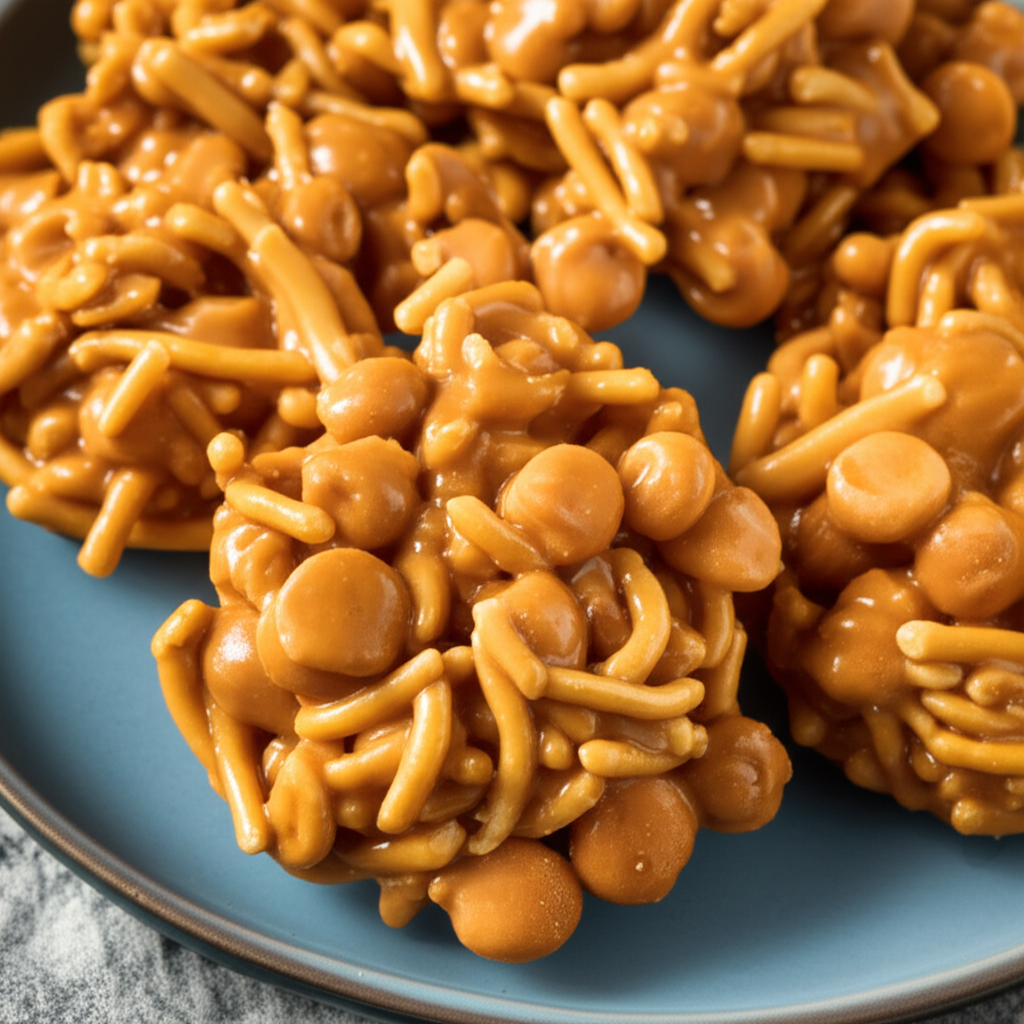
O Que É Chinese Noodles?
A broad category of noodles made primarily from wheat flour, water, and sometimes egg, varying widely in shape, size, and texture, central to East Asian cuisine.
"The ultimate foundation of countless iconic dishes, encompassing an incredible variety of textures and applications that define Chinese culinary artistry."
Qual o Sabor de Chinese Noodles?
Neutral (most), starchy, can absorb surrounding flavors.
- Sabor
- Neutral, Mild
- Textura
- Chewy, Elastic, Slippery
- Aroma
- Faintly doughy
- Acidez
- Low
Métricas Técnicas
Global Popularity
A staple food for over 1.5 billion people worldwide.
Origin & History
Evidence suggests noodle consumption in China dates back over 4,000 years.
Primary Ingredient
Often wheat flour, water, and salt; rice flour for gluten-free options.
Informação Nutricional
Por 140g (1 cup cooked)Segredo do Chef
To prevent noodles from sticking after cooking, rinse them quickly with cold water (especially for stir-fries) and toss with a little oil.
Substitutos e Proporções de Chinese Noodles
O melhor substituto para Chinese Noodles é Italian Pasta (e.g., Spaghetti), usado na proporção de 1:1. Similar texture and cooking properties, easily found. May have a slightly different mouthfeel.
| Substituto | Proporção | Melhor para |
|---|---|---|
| Italian Pasta (e.g., Spaghetti) Melhor | 1:1 | Similar texture and cooking properties, easily found. May have a slightly different mouthfeel. |
| Rice Noodles | 1:1 | Gluten-free option, provides a distinct slippery texture and lighter flavor. |
| Soba Noodles (buckwheat) | 1:1 | Adds a nutty flavor and slightly firmer texture. Good for a different culinary twist. |
| Shirataki Noodles | 1:1 | Very low-carb, gelatinous texture. Best for specific dietary needs, less for flavor. |
Como Escolher e Armazenar Chinese Noodles
- When buying, consider fresh for best texture, or dried for convenience.
- Store dried noodles in a cool, dry place indefinitely.
O Que Combina Bem Com Chinese Noodles?
- Soy sauce
- sesame oil
- garlic
- ginger
- vegetables
- chicken
- pork
- beef
- shrimp
- broth.
Perguntas frequentes
Qual o sabor de Chinese Noodles?
Neutral (most), starchy, can absorb surrounding flavors. Faintly doughy
Qual é um bom substituto para Chinese Noodles?
O melhor substituto é Italian Pasta (e.g., Spaghetti) (1:1). Similar texture and cooking properties, easily found. May have a slightly different mouthfeel.
Como escolher e armazenar Chinese Noodles?
When buying, consider fresh for best texture, or dried for convenience. Store dried noodles in a cool, dry place indefinitely.