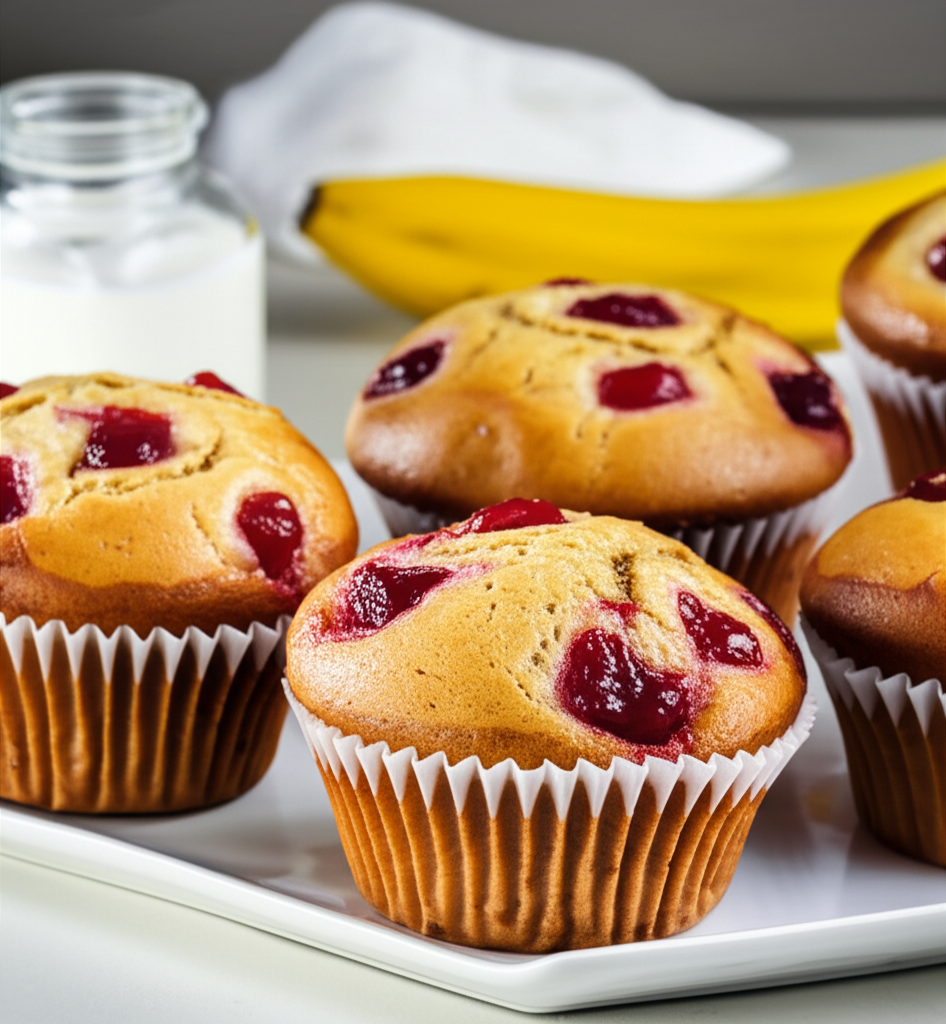
What Is Jelly?
Jelly is a clear, fruit-based preserve made from sweetened fruit juice that has been thickened with pectin. It is characterized by its translucent appearance and firm yet spreadable consistency, distinguishing it from jams or preserves which contain fruit pulp.
"The key to a perfectly set jelly lies in the precise balance of fruit acid, sugar, and pectin, as too little or too much of any can result in a runny or overly stiff product."
What Does Jelly Taste Like?
Jelly offers a bright, concentrated fruit flavor with a pronounced sweetness and often a balancing tartness.
- Taste
- Sweet, Fruity, Tart (depending on fruit)
- Texture
- Smooth, Firm, Gelatinous
- Aroma
- Fruity, Sweet
- Acidity
- Medium
Technical Metrics
Brix (Sugar Content)
60-65%
pH Level
3.0-3.5
Nutrition Facts
Per 20gChef’s Secret
For a glossy, professional finish on homemade jelly, gently skim off any foam that rises to the surface during cooking before pouring into jars.
Jelly Substitutes & Ratios
The best substitute for Jelly is Jam, used at a 1:1 ratio. For sandwiches, toast, or as a general fruit spread, offering a similar sweetness but with fruit pieces.
| Substitute | Ratio | Best for |
|---|---|---|
| Jam Best | 1:1 | For sandwiches, toast, or as a general fruit spread, offering a similar sweetness but with fruit pieces. |
| Marmalade | 1:1 | Best for citrus jellies, providing a similar sweet-tart balance but with citrus peel. |
| Fruit Butter | 1:1 | When a thicker, less sweet, and more intensely fruit-flavored spread is desired, often with a smoother texture than jam. |
| Maple Syrup | 1:1 (taste to adjust) | As a sweet topping for pancakes or toast, though it lacks the fruit flavor and gelled texture of jelly. |
How to Choose & Store Jelly
- Store unopened jelly jars in a cool, dark pantry away from direct sunlight.
- Once opened, refrigerate promptly to maintain freshness.
- Always use a clean spoon to prevent contamination and mold growth.
- Ensure the lid is tightly sealed after each use.
What Pairs Well With Jelly?
- Peanut butter
- Cream cheese
- Toast
- Scones
- Biscuits
- Pork
- Chicken
- Hard cheeses
- Yogurt
- Oatmeal
Frequently Asked Questions
What does Jelly taste like?
Jelly offers a bright, concentrated fruit flavor with a pronounced sweetness and often a balancing tartness. Fruity|Sweet
What is a good substitute for Jelly?
The best substitute is Jam (1:1). For sandwiches, toast, or as a general fruit spread, offering a similar sweetness but with fruit pieces.
How do you choose and store Jelly?
Store unopened jelly jars in a cool, dark pantry away from direct sunlight. Once opened, refrigerate promptly to maintain freshness. Always use a clean spoon to prevent contamination and mold growth. Ensure the lid is tightly sealed after each use.