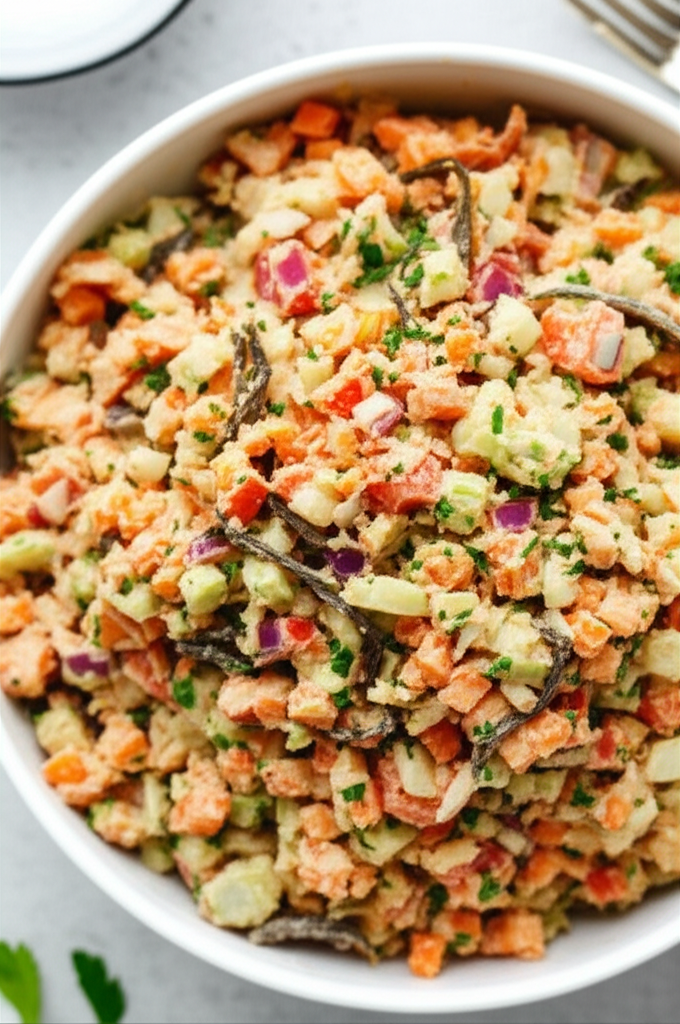
What Is Kelp?
Kelp refers to large brown algae, a type of seaweed, that grows in underwater 'forests' in shallow oceans. It is a highly nutritious marine vegetable widely used in various cuisines, particularly Asian, valued for its unique flavor profile and health benefits.
"Harnessing kelp's natural glutamates can significantly deepen the savory base of broths and stews without adding animal products."
What Does Kelp Taste Like?
Kelp offers a distinct umami and oceanic flavor with a noticeable brininess and a subtle underlying sweetness.
- Taste
- Umami, Salty, Oceanic, Slightly sweet
- Texture
- Chewy, Crisp (when dried), Slimy (when rehydrated)
- Aroma
- Briny, Marine, Earthy
- Acidity
- None
Technical Metrics
Iodine Content
Variable, high (e.g., 2000-11000mcg/100g dry weight)
Water Content
80-90%
Nutrition Facts
Per 100gChef’s Secret
To reduce the iodine content and strong briny flavor of fresh kelp, blanch it briefly in boiling water before using.
Kelp Substitutes & Ratios
The best substitute for Kelp is Kombu (dried kelp), used at a 1:1 ratio. Ideal for dashi and adding umami to broths, as kombu is a specific type of kelp.
| Substitute | Ratio | Best for |
|---|---|---|
| Kombu (dried kelp) Best | 1:1 | Ideal for dashi and adding umami to broths, as kombu is a specific type of kelp. |
| Wakame | 1:1 | Good for salads, soups, and adding a milder oceanic flavor and tender texture. |
| Nori | 2-3 sheets:100g fresh kelp | Best for adding a toasted, savory marine note to dishes; less suitable for texture. |
| Mushroom (dried shiitake) | 1:1 (by weight, rehydrated) | When the primary goal is to add a rich umami depth, particularly in broths, and an oceanic flavor isn't crucial. |
How to Choose & Store Kelp
- Store fresh kelp in the refrigerator, wrapped in a damp paper towel in a sealed bag, for up to 3-5 days.
- Dried kelp should be kept in an airtight container in a cool, dark pantry for several months.
- Rehydrated kelp can be stored in water in the fridge for up to 2-3 days.
- Blanch and freeze fresh kelp for longer storage.
What Pairs Well With Kelp?
- Soy sauce
- sesame oil
- ginger
- garlic
- tofu
- rice
- miso
- vinegar
- seafood
- mushrooms
Frequently Asked Questions
What does Kelp taste like?
Kelp offers a distinct umami and oceanic flavor with a noticeable brininess and a subtle underlying sweetness. Briny|Marine|Earthy
What is a good substitute for Kelp?
The best substitute is Kombu (dried kelp) (1:1). Ideal for dashi and adding umami to broths, as kombu is a specific type of kelp.
How do you choose and store Kelp?
Store fresh kelp in the refrigerator, wrapped in a damp paper towel in a sealed bag, for up to 3-5 days. Dried kelp should be kept in an airtight container in a cool, dark pantry for several months. Rehydrated kelp can be stored in water in the fridge for up to 2-3 days. Blanch and freeze fresh kelp for longer storage.