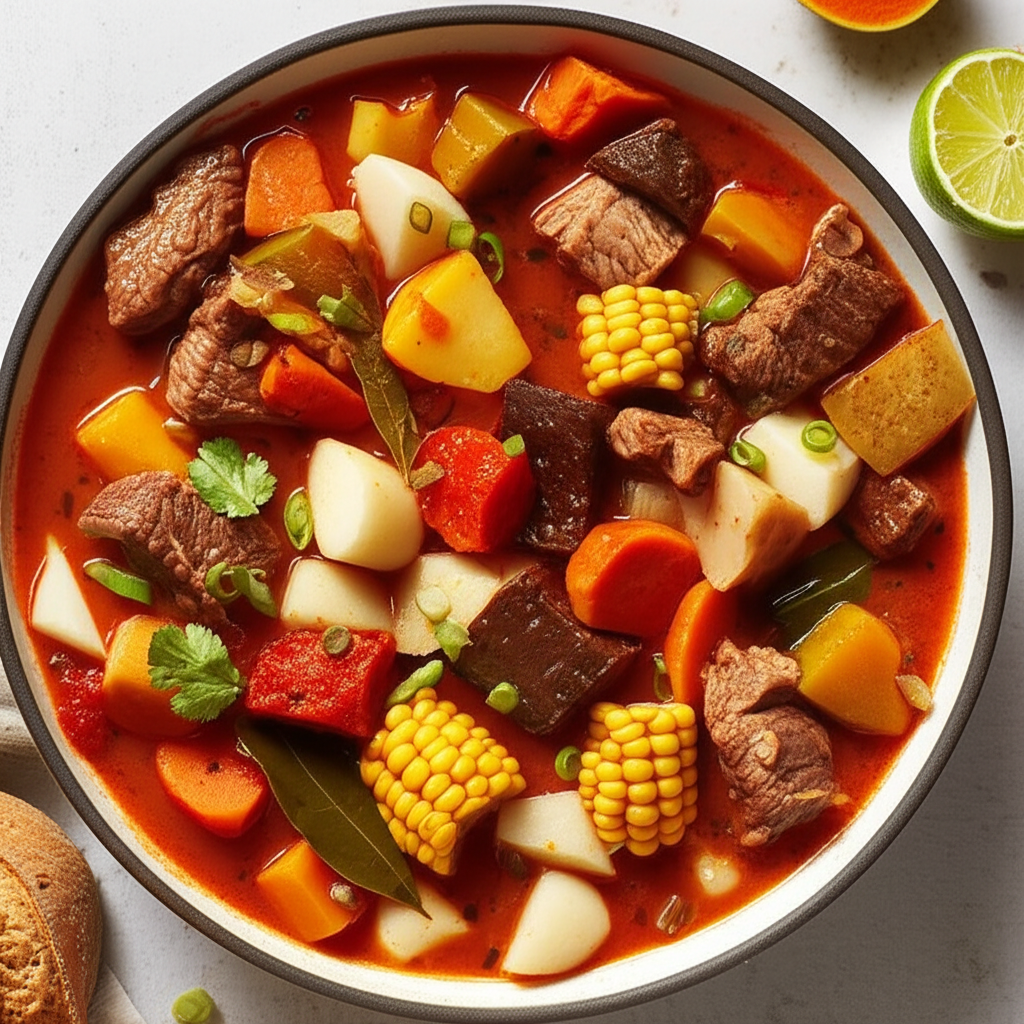
O Que É Taro Root?
A starchy, edible corm with a nutty, slightly sweet flavor and a dense, often slimy texture when cooked, commonly used in tropical cuisines.
"Taro contains calcium oxalate crystals which cause irritation if eaten raw; cooking thoroughly neutralizes them, revealing its unique creamy texture."
Qual o Sabor de Taro Root?
Nutty, slightly sweet, earthy, mild
- Taste
- Starchy, earthy, nutty, slightly sweet
- Texture
- Dense, floury, sometimes slimy or glutinous, creamy when mashed
- Aroma
- Mild, earthy
- Acidity
- Low
Technical Metrics
Common Use (Hawaii)
Main ingredient in 'Poi'
Glycemic Index
Lower than potatoes (for some varieties)
Preparation Warning
Must be cooked thoroughly (calcium oxalate)
Informação Nutricional
Per 1/2 cup (100g) cookedSegredo do Chef
Peel taro under running water or wear gloves to prevent skin irritation from calcium oxalate. Cook thoroughly to ensure edibility.
Substitutos e Proporções de Taro Root
O melhor substituto para Taro Root é Potato, usado na proporção de 1:1. Starchy, neutral flavor, similar texture when mashed or boiled. Good for thickening.
| Substituto | Proporção | Melhor para |
|---|---|---|
| Potato Melhor | 1:1 | Starchy, neutral flavor, similar texture when mashed or boiled. Good for thickening. |
| Yucca/Cassava | 1:1 | Dense, starchy root, needs cooking. Good for savory stews and frying. |
| Sweet Potato | 1:1 | Less starchy, sweeter, but can provide similar texture in some dishes. |
| Green Banana | 1:1 | Starchy, firm texture when unripe. Good for savory applications. |
Como Escolher e Armazenar Taro Root
- Choose firm, heavy corms without soft spots, mold, or sprouts.
- Store in a cool, dark, dry place.
O Que Combina Bem Com Taro Root?
- Curries
- stews
- soups
- poi
- chips
- dessert (sweet taro)
- stir-fries.
Perguntas frequentes
Qual o sabor de Taro Root?
Nutty, slightly sweet, earthy, mild Mild, earthy
Qual é um bom substituto para Taro Root?
O melhor substituto é Potato (1:1). Starchy, neutral flavor, similar texture when mashed or boiled. Good for thickening.
Como escolher e armazenar Taro Root?
Choose firm, heavy corms without soft spots, mold, or sprouts. Store in a cool, dark, dry place.