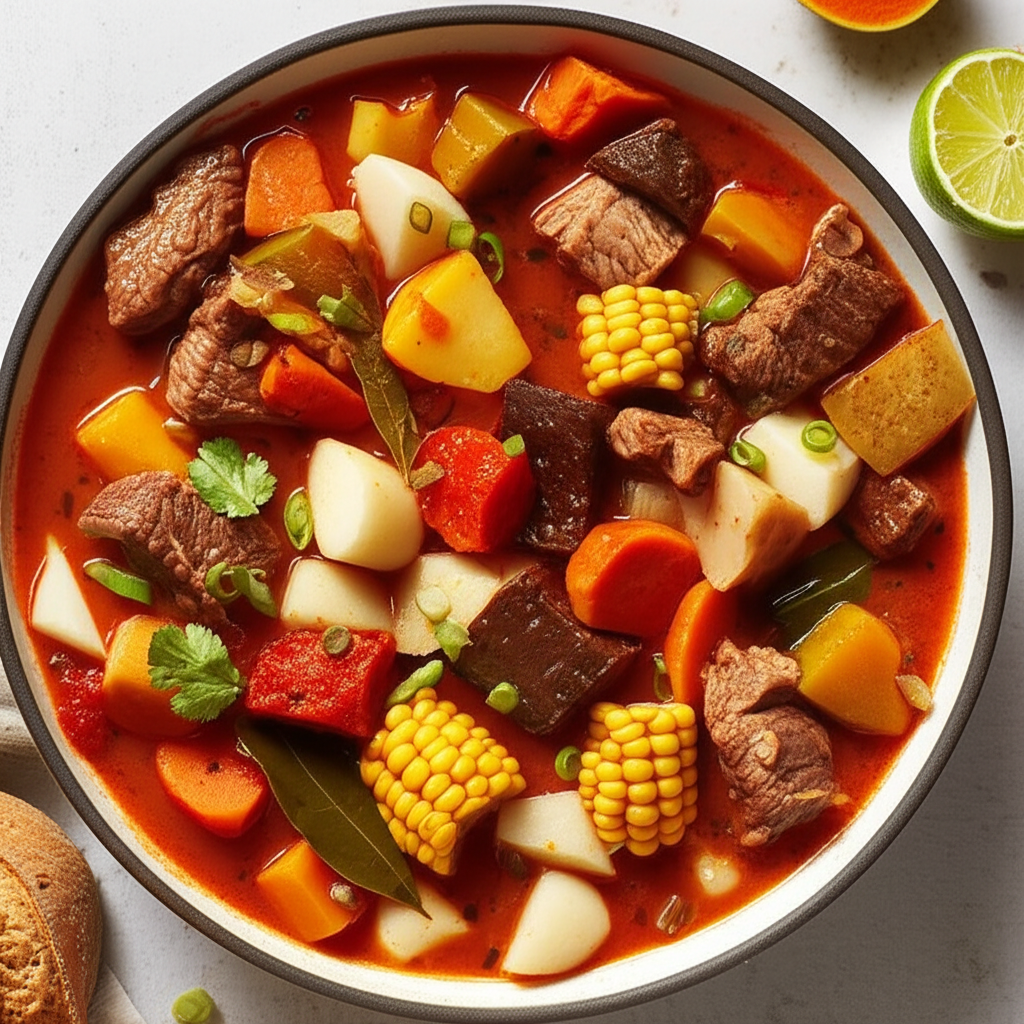
What Is Taro Root?
A starchy, edible corm with a nutty, slightly sweet flavor and a dense, often slimy texture when cooked, commonly used in tropical cuisines.
"Taro contains calcium oxalate crystals which cause irritation if eaten raw; cooking thoroughly neutralizes them, revealing its unique creamy texture."
What Does Taro Root Taste Like?
Nutty, slightly sweet, earthy, mild
- Taste
- Starchy, earthy, nutty, slightly sweet
- Texture
- Dense, floury, sometimes slimy or glutinous, creamy when mashed
- Aroma
- Mild, earthy
- Acidity
- Low
Technical Metrics
Common Use (Hawaii)
Main ingredient in 'Poi'
Glycemic Index
Lower than potatoes (for some varieties)
Preparation Warning
Must be cooked thoroughly (calcium oxalate)
Nutrition Facts
Per 1/2 cup (100g) cookedChef’s Secret
Peel taro under running water or wear gloves to prevent skin irritation from calcium oxalate. Cook thoroughly to ensure edibility.
Taro Root Substitutes & Ratios
The best substitute for Taro Root is Potato, used at a 1:1 ratio. Starchy, neutral flavor, similar texture when mashed or boiled. Good for thickening.
| Substitute | Ratio | Best for |
|---|---|---|
| Potato Best | 1:1 | Starchy, neutral flavor, similar texture when mashed or boiled. Good for thickening. |
| Yucca/Cassava | 1:1 | Dense, starchy root, needs cooking. Good for savory stews and frying. |
| Sweet Potato | 1:1 | Less starchy, sweeter, but can provide similar texture in some dishes. |
| Green Banana | 1:1 | Starchy, firm texture when unripe. Good for savory applications. |
How to Choose & Store Taro Root
- Choose firm, heavy corms without soft spots, mold, or sprouts.
- Store in a cool, dark, dry place.
What Pairs Well With Taro Root?
- Curries
- stews
- soups
- poi
- chips
- dessert (sweet taro)
- stir-fries.
Frequently Asked Questions
What does Taro Root taste like?
Nutty, slightly sweet, earthy, mild Mild, earthy
What is a good substitute for Taro Root?
The best substitute is Potato (1:1). Starchy, neutral flavor, similar texture when mashed or boiled. Good for thickening.
How do you choose and store Taro Root?
Choose firm, heavy corms without soft spots, mold, or sprouts. Store in a cool, dark, dry place.