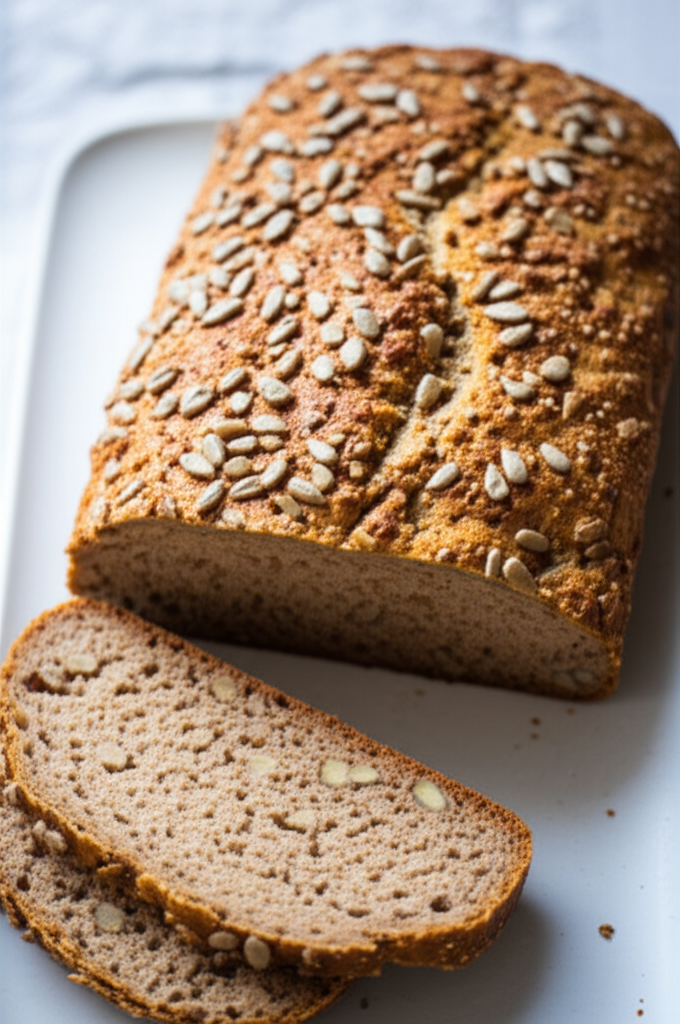
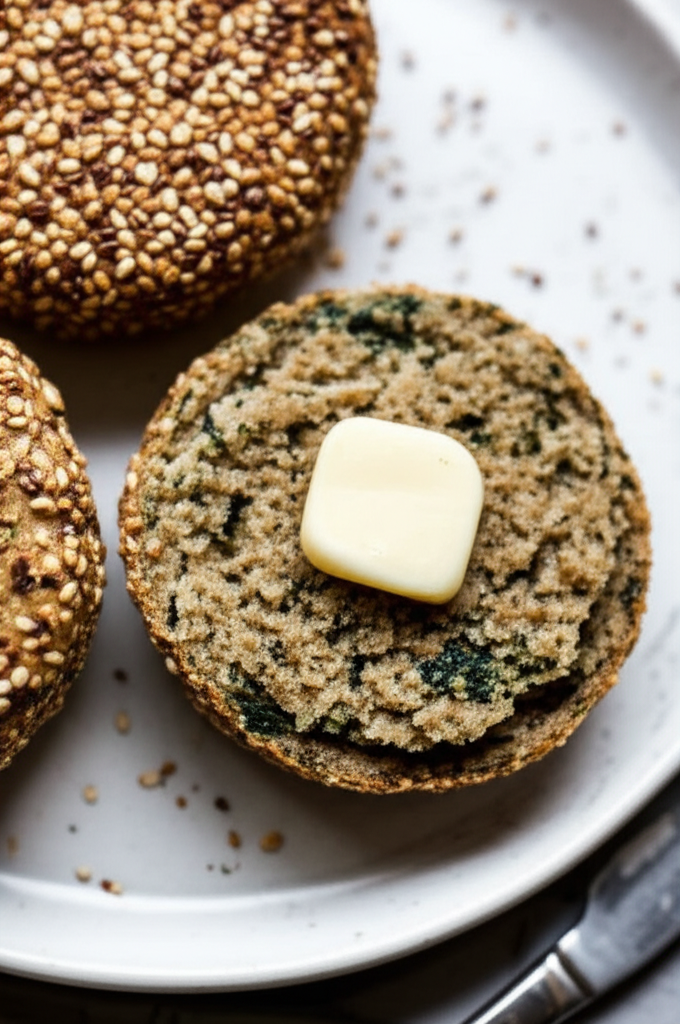
What Is Amaranth?
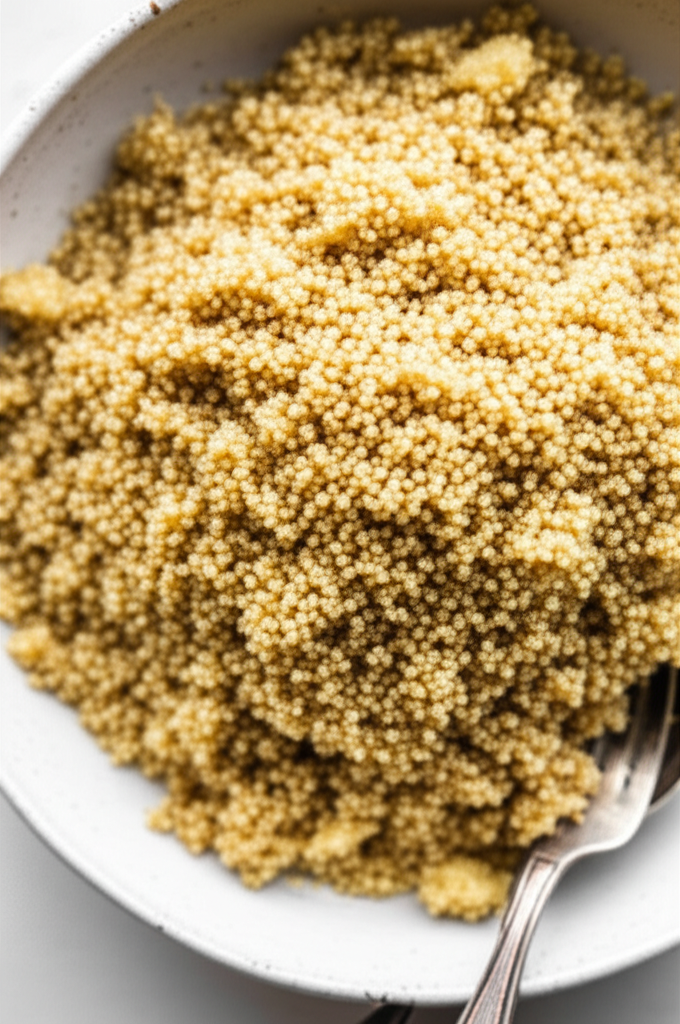
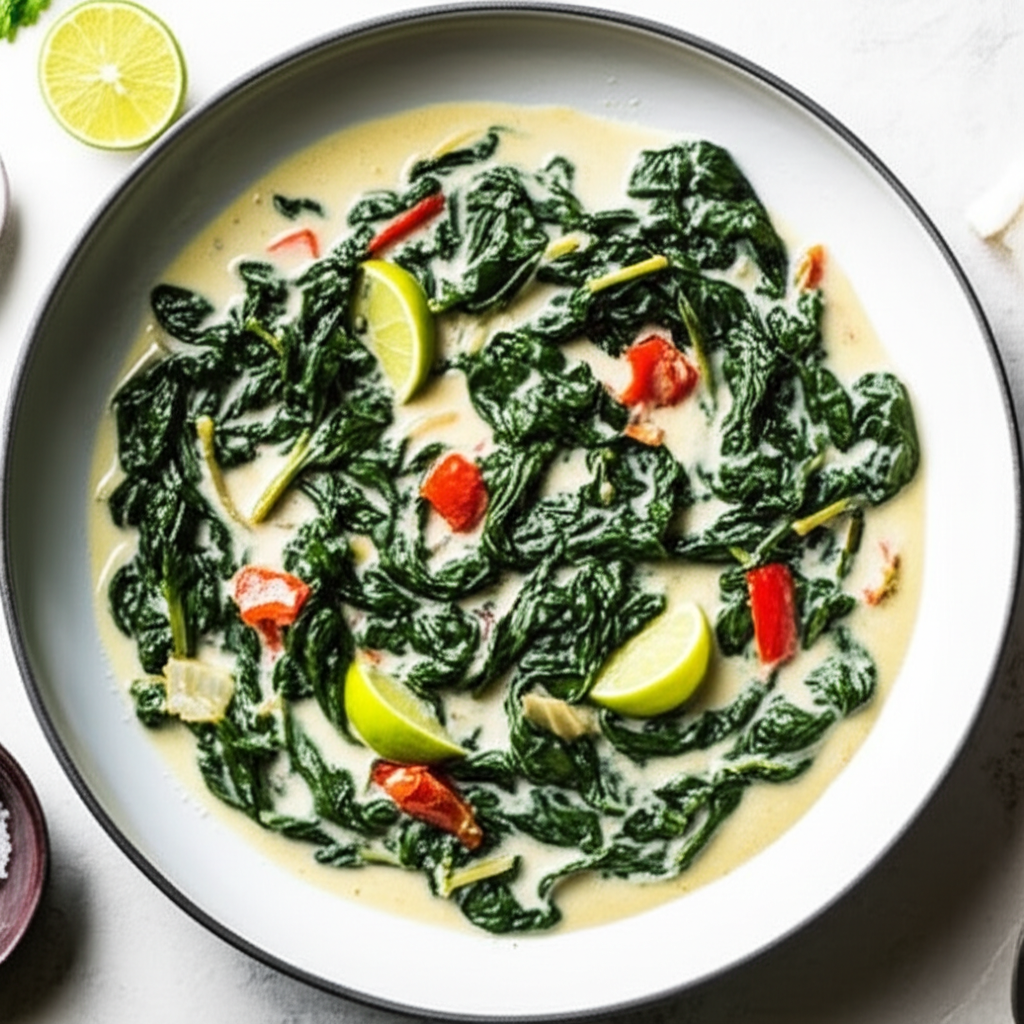
Amaranth is an ancient pseudocereal, botanically a broadleaf plant, cultivated for its edible seeds (grains) and leaves. The tiny, pearl-like grains are highly nutritious, boasting a complete protein profile, while its leaves are consumed as a leafy green vegetable.
"Beyond its popular grain form, amaranth leaves offer a distinct, spinach-like flavor and nutritional punch often overlooked in modern culinary applications."
What Does Amaranth Taste Like?
Amaranth grains offer a mild, earthy, and nutty flavor that can absorb other flavors, while the leaves are slightly bitter and mineral-rich.
- Taste
- Nutty, Earthy, Grassy, Slightly peppery (leaves)
- Texture
- Chewy (cooked grain), Crisp (popped), Tender (leaves)
- Aroma
- Mildly earthy, Grassy
- Acidity
- Low
Technical Metrics
Cooking Ratio (grain)
1 part amaranth to 2-2.5 parts liquid
Cooking Time (grain)
20-25 minutes
Protein Content
Complete Protein
Nutrition Facts
Per 50g (dry grain)Chef’s Secret
For a delightful texture, toast amaranth grains lightly in a dry pan before cooking them in liquid; this deepens their nutty flavor and helps them cook more evenly.
Amaranth Substitutes & Ratios
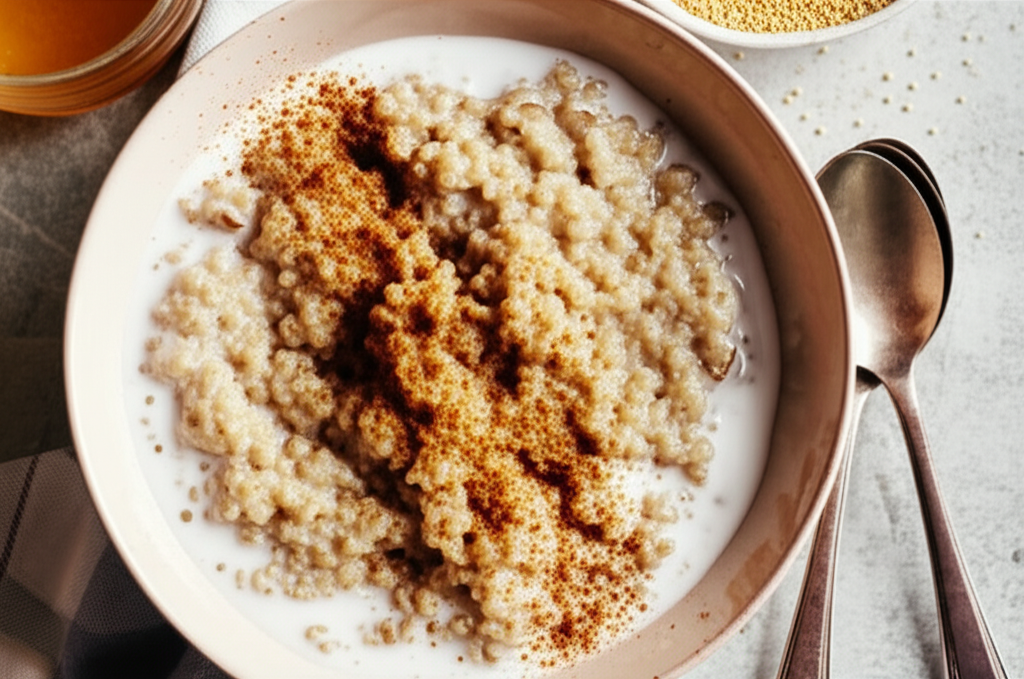
The best substitute for Amaranth is Quinoa, used at a 1:1 ratio. as a gluten-free, high-protein grain in salads, porridges, or as a side dish
| Substitute | Ratio | Best for |
|---|---|---|
| Quinoa Best | 1:1 | as a gluten-free, high-protein grain in salads, porridges, or as a side dish |
| Millet | 1:1 | for a similar small-grained texture in pilafs or as a breakfast cereal |
| Spinach | 1:1 | when substituting amaranth leaves in cooked applications like stir-fries or stews |
How to Choose & Store Amaranth
- Store dry amaranth grains in an airtight container in a cool, dark place for up to a year.
- Refrigerate fresh amaranth leaves in a plastic bag in the crisper drawer for 3-5 days.
- Cooked amaranth can be refrigerated for up to 3 days in a sealed container.
- Keep amaranth flour in an airtight container in the fridge or freezer to prevent rancidity.
- Store popped amaranth in an airtight container at room temperature.
What Pairs Well With Amaranth?
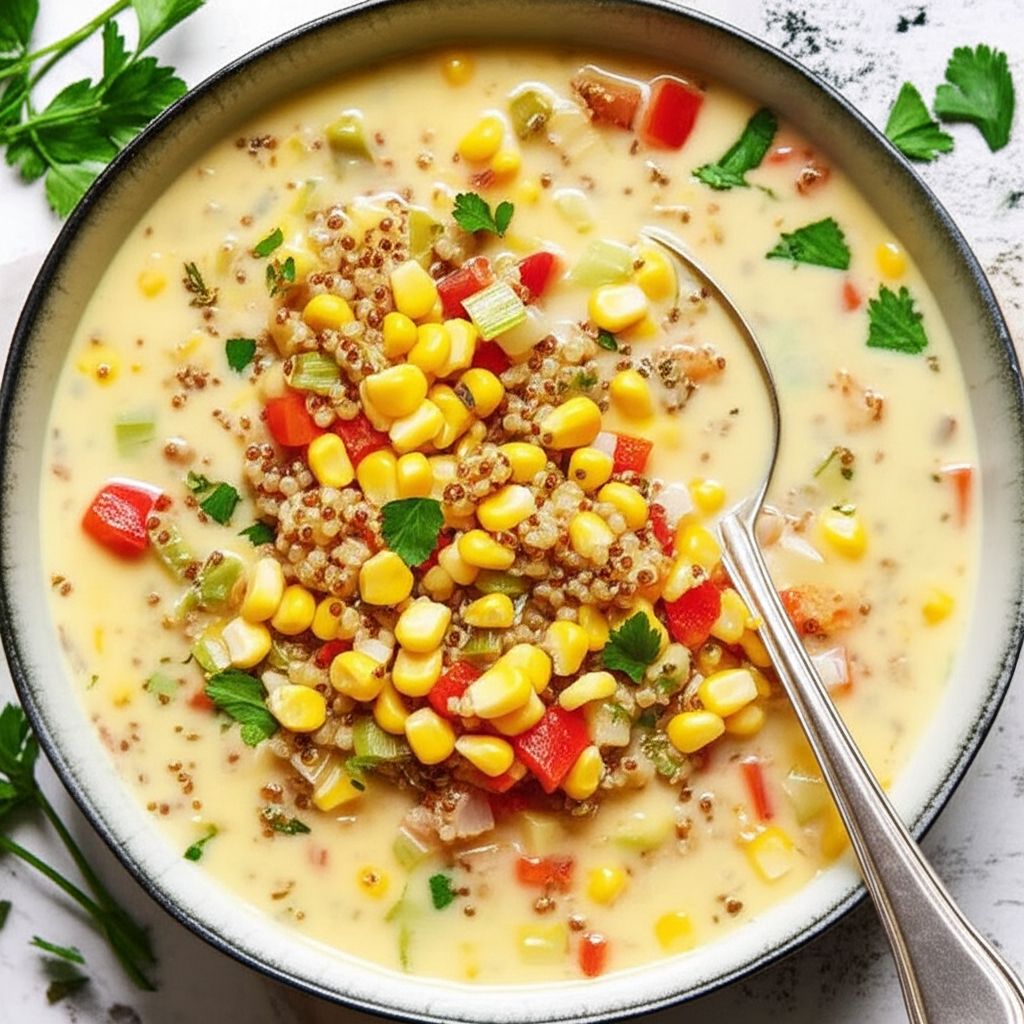
- Corn
- Lime
- Chili
- Cilantro
- Avocado
- Black Beans
- Pumpkin Seeds
- Tomatoes
- Spinach
- Onion
- Garlic
Frequently Asked Questions
What does Amaranth taste like?
Amaranth grains offer a mild, earthy, and nutty flavor that can absorb other flavors, while the leaves are slightly bitter and mineral-rich. Mildly earthy|Grassy
What is a good substitute for Amaranth?
The best substitute is Quinoa (1:1). as a gluten-free, high-protein grain in salads, porridges, or as a side dish
How do you choose and store Amaranth?
Store dry amaranth grains in an airtight container in a cool, dark place for up to a year. Refrigerate fresh amaranth leaves in a plastic bag in the crisper drawer for 3-5 days. Cooked amaranth can be refrigerated for up to 3 days in a sealed container. Keep amaranth flour in an airtight container in the fridge or freezer to prevent rancidity. Store popped amaranth in an airtight container at room temperature.