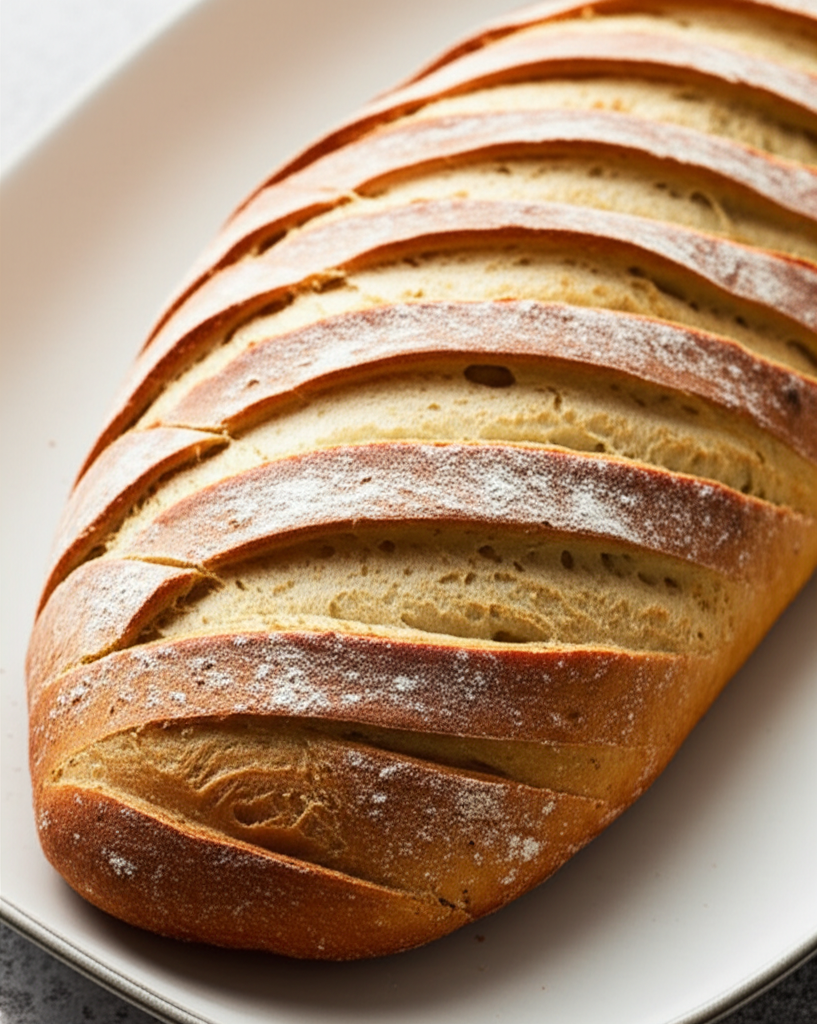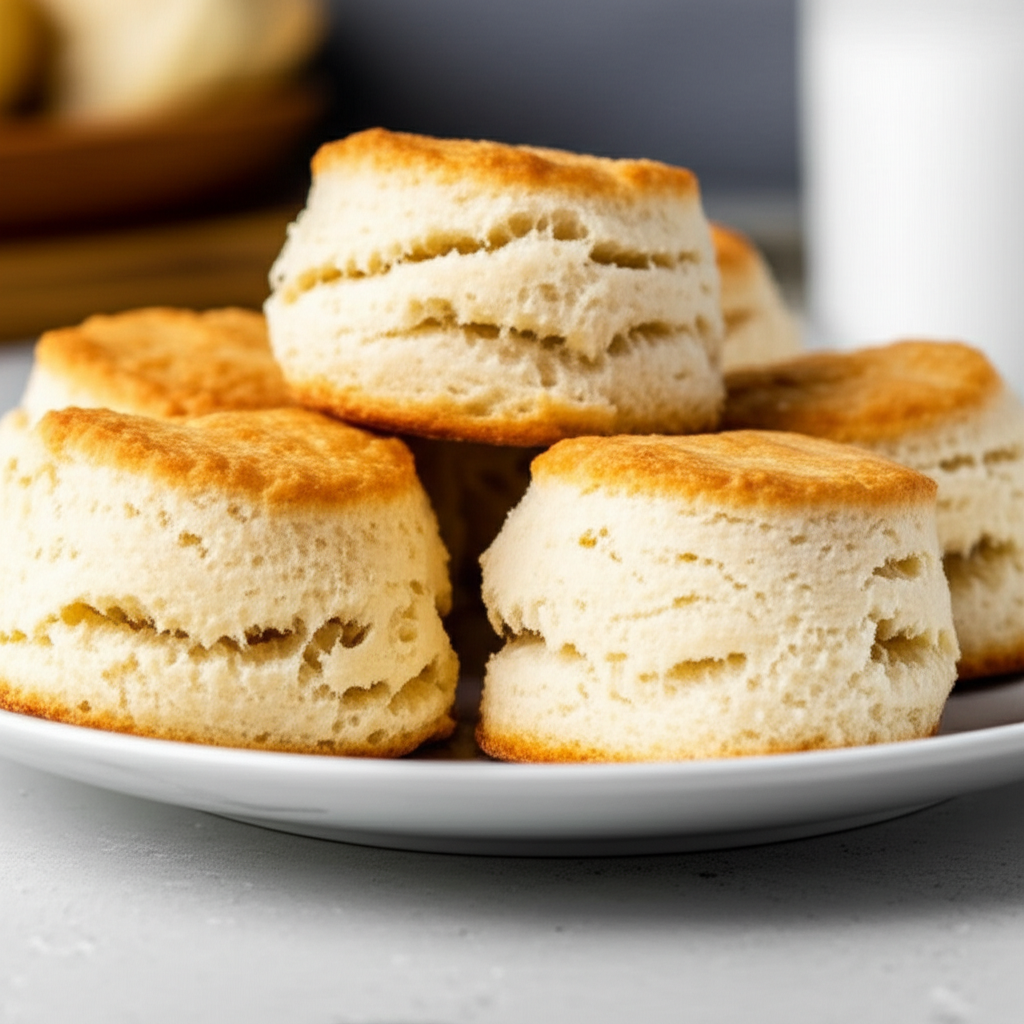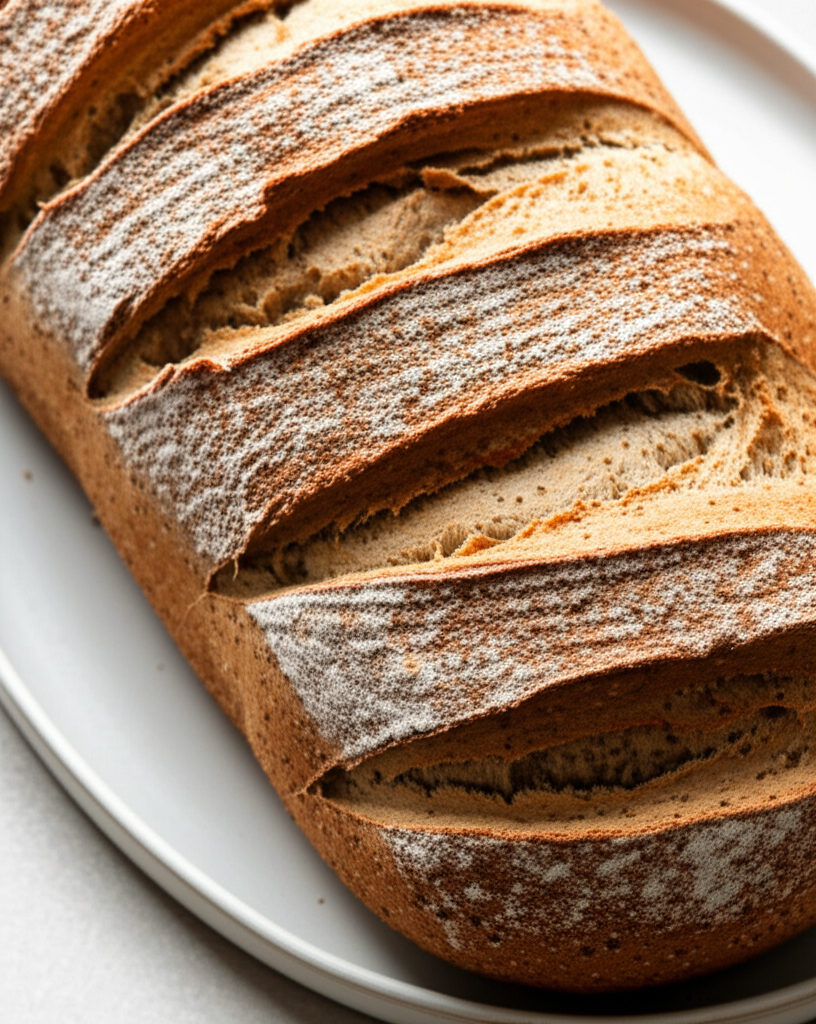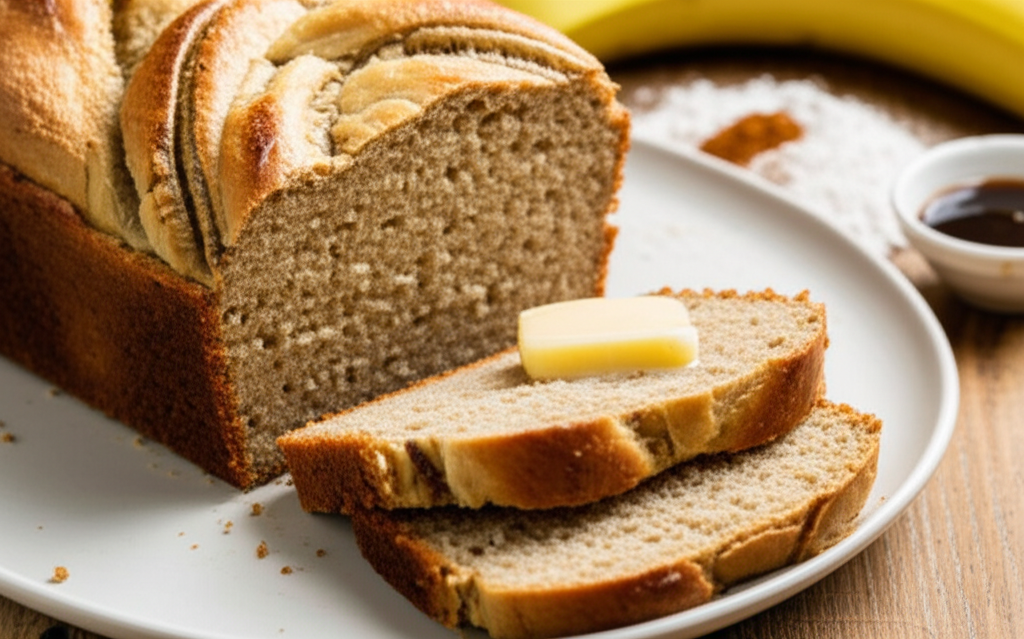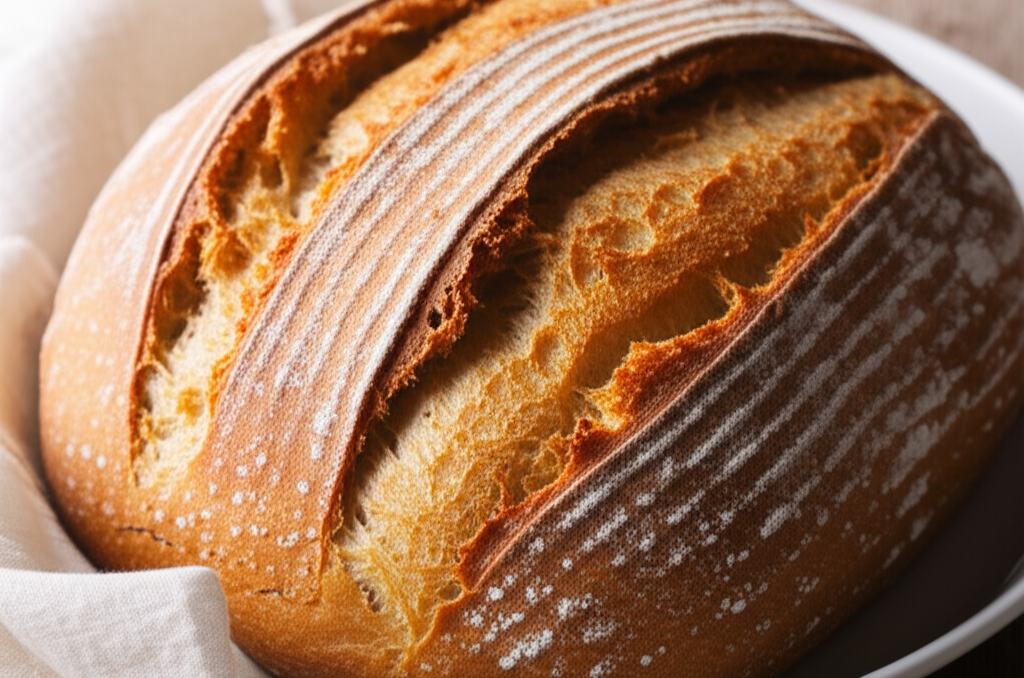
Ingredients for Ancient Roman Bread
Cook Smarter with Sous, Your Kitchen Companion
Missing an ingredient for this Ancient Roman Bread? Need a perfect wine pairing or a healthy side dish idea? Don't guess—ask Sous! Your AI-powered sous-chef is ready to help you swap ingredients, adjust serving sizes, and discover flavor tips in seconds.
How to Make Ancient Roman Bread
- Activate yeast: In a mixing bowl, dissolve 1 teaspoon of active dry yeast in 1 cup (240ml) of warm water (105-115°F). Let stand for 5-10 minutes until foamy.
- Combine initial flour: Add 4 cups (500g) of bread flour to the yeast mixture.
- Mix wet ingredients: Add 1 teaspoon of salt and ½ cup (120ml) of lukewarm water to the bowl.
- Knead the dough: If using a stand mixer with a dough hook, knead on medium-low speed for 8-10 minutes, gradually adding the remaining 2 cups (250g) of bread flour until the dough is smooth and elastic. If kneading by hand, knead on a lightly floured surface for 10-15 minutes until smooth and elastic.
- Bulk fermentation (first rise): Place the dough in a lightly oiled bowl, turning to coat. Cover with plastic wrap and let rise in a warm place for 1-1.5 hours, or until doubled in size.
- Shape the loaves: Gently punch down the dough to release the air. Divide the dough into 2 or 3 equal pieces. Shape each piece into a round or oval loaf.
- Final proof: Place the loaves on a baking sheet lined with parchment paper and dusted with cornmeal. Cover loosely with plastic wrap and let rise for another 30-45 minutes, or until almost doubled.
- Bake: Preheat oven to 450°F (232°C). Bake for 25-30 minutes, or until the crust is golden brown and the loaves sound hollow when tapped on the bottom.
- Cool: Let the loaves cool completely on a wire rack before slicing and serving.
Nutrition Information (Approximate per serving)
Sodium
48 g
Sugar
2g
Fat
1g
Carbs
21g