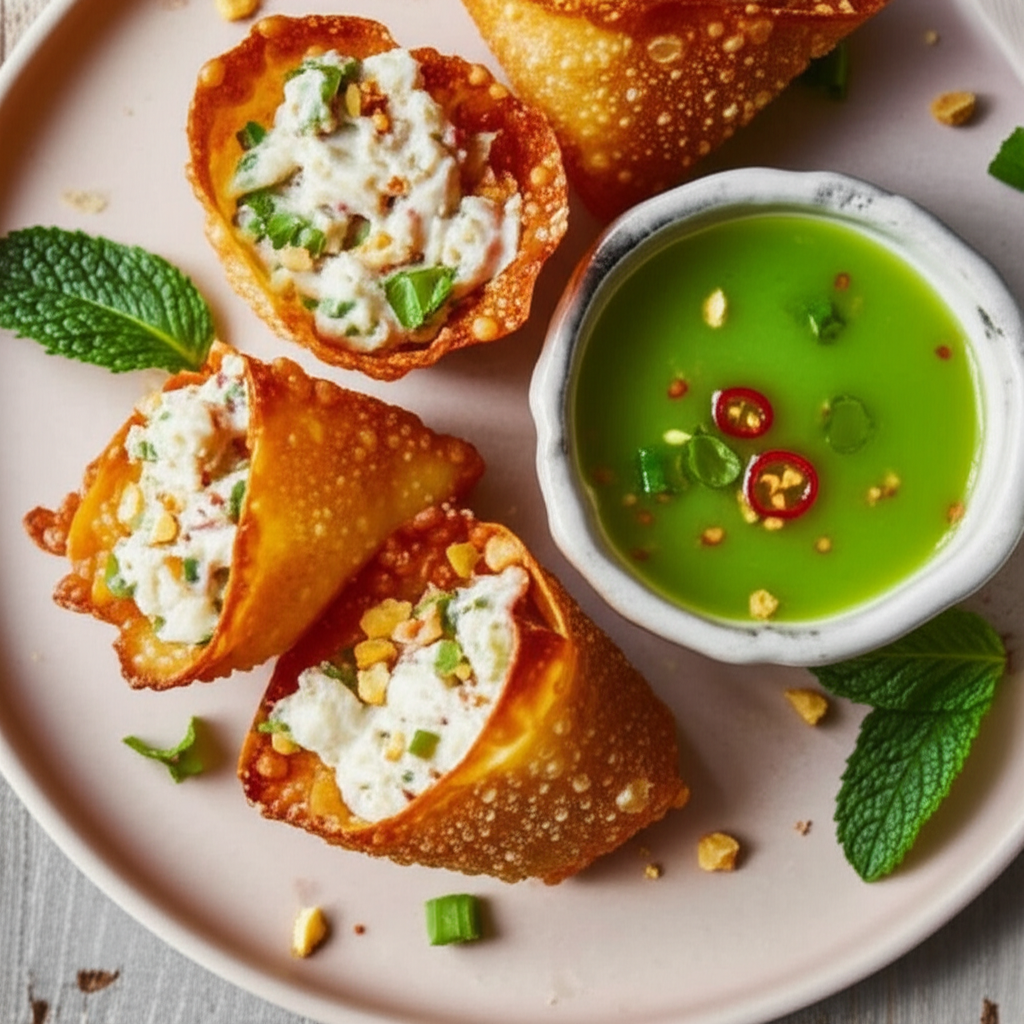
Ingredients for Low Fat Thai Coconut Curry Shrimp
- Medium Raw Shrimp
- Sake
- Light Soy Sauce
- 2 tablespoons cornstarch
- Garlic Cloves
- Fresh Ginger
- Red Onions
- 1 red bell pepper, thinly sliced
- Cooking Spray
- 1% Low Fat Milk
- Peanut Butter
- Coconut Extract
- Curry Powder
- Sugar
- Salt
Cook Smarter with Sous, Your Kitchen Companion
Missing an ingredient for this Low Fat Thai Coconut Curry Shrimp? Need a perfect wine pairing or a healthy side dish idea? Don't guess—ask Sous! Your AI-powered sous-chef is ready to help you swap ingredients, adjust serving sizes, and discover flavor tips in seconds.
How to Make Low Fat Thai Coconut Curry Shrimp
- In a medium bowl, gently toss shrimp with 2 tablespoons of soy sauce. Cover and refrigerate until ready to cook (at least 15 minutes).
- In a small bowl, whisk together 2 tablespoons of cornstarch and 2 tablespoons of cold water until smooth. Set aside.
- In a separate bowl, whisk together coconut milk, chicken broth, fish sauce, brown sugar, lime juice, and red curry paste. Set aside.
- Lightly spray a large non-stick skillet with cooking spray and preheat over medium-high heat for 2 minutes.
- Add minced garlic and grated ginger to the hot skillet and stir-fry for 30 seconds until fragrant.
- Add shrimp to the skillet and stir-fry until they turn bright pink, about 2-3 minutes. Transfer shrimp to a plate.
- Add sliced bell pepper and onion to the skillet and sauté until onions begin to soften and peppers brighten, about 2-3 minutes.
- Return the shrimp to the skillet.
- Pour the prepared coconut curry sauce over the shrimp and vegetables. Bring to a gentle simmer.
- Slowly whisk in the cornstarch slurry, stirring constantly until the sauce has thickened, about 60 seconds.
- Reduce heat to low, taste, and adjust seasonings as needed (add more lime juice for acidity, brown sugar for sweetness, or fish sauce for saltiness).
- Remove from heat and serve immediately over cooked rice.
Nutrition Information (Approximate per serving)
Sodium
30 g
Sugar
23g
Fat
6g
Carbs
4g